
How We Choose the Products We Recommend
We don’t have a warehouse full of gear to physically put through its paces — what we do instead is disciplined research. For every guide, we start with the manufacturer’s published specifications and compare them directly against competing models in the same price range. We track real, current pricing across retailers, not list prices that never actually apply, so the numbers in our comparisons reflect what you’d actually pay today. And we read, in bulk, through verified customer reviews and independent expert coverage for each product, looking for recurring complaints, common praise, and the patterns a single glossy product page won’t tell you.
Where we’ve personally bought and used a product ourselves — currently true for many of the kitchen items we cover — we say so directly in the review, and that firsthand experience shapes what we highlight. For everything else, our pros-and-cons calls come from that cross-referenced research process, not a single source or a rewritten spec sheet. We revisit guides periodically as prices shift and new models launch, and we link to multiple retailers where possible so you’re not stuck with just one option.

Ugo Daniel researches, compares, and writes the buying guides on Wallstores, cross-checking manufacturer specs, verified pricing, and real customer feedback across tech, home, fitness, and pet categories. He’s personally bought and used many of the kitchen appliances featured on the site, and draws on that firsthand experience in those reviews.
Last updated: September 2026
Fitness trackers have split into two camps this year: affordable everyday bands that nail the basics, and serious health platforms that dig into recovery science. We rounded up five current models that represent the best of both worlds, from Fitbit’s mainstream favorite to Garmin’s rugged outdoor watches and Whoop’s subscription-driven recovery tracker. Whether you want round-the-clock sleep insight, a battery that survives weeks without a charge, or something built for trails and pool laps, there’s a pick here to match your training style and budget. Prices, battery claims, and standout features below reflect what’s actually shipping and in stock right now.
Quick Comparison
| Product | Best For | Price | Battery Life | |
|---|---|---|---|---|
| Fitbit Charge 6 | Best Overall | $159.95 MSRP (frequently discounted to $99-$129) | Up to 7 days | See Price on Amazon → |
| Xiaomi Smart Band Active | Best Budget | $32.99 | Up to 18 days | See Price on Amazon → |
| WHOOP 5.0 (One Membership) | Best for Sleep Tracking | $199/year (WHOOP One membership; device included) | 14+ days | See Price on Amazon → |
| Garmin Instinct 3 Solar (45mm) | Best Battery Life | $299.99 (MSRP $399.99) | Unlimited in smartwatch mode (solar) | See Price on Amazon → |
| Garmin Forerunner 55 | Best for Swimming/Outdoor | $199.99 MSRP (frequently discounted to $150-$180) | Up to 2 weeks (smartwatch mode) | See Price on Amazon → |
1. Fitbit Charge 6 — Best Overall
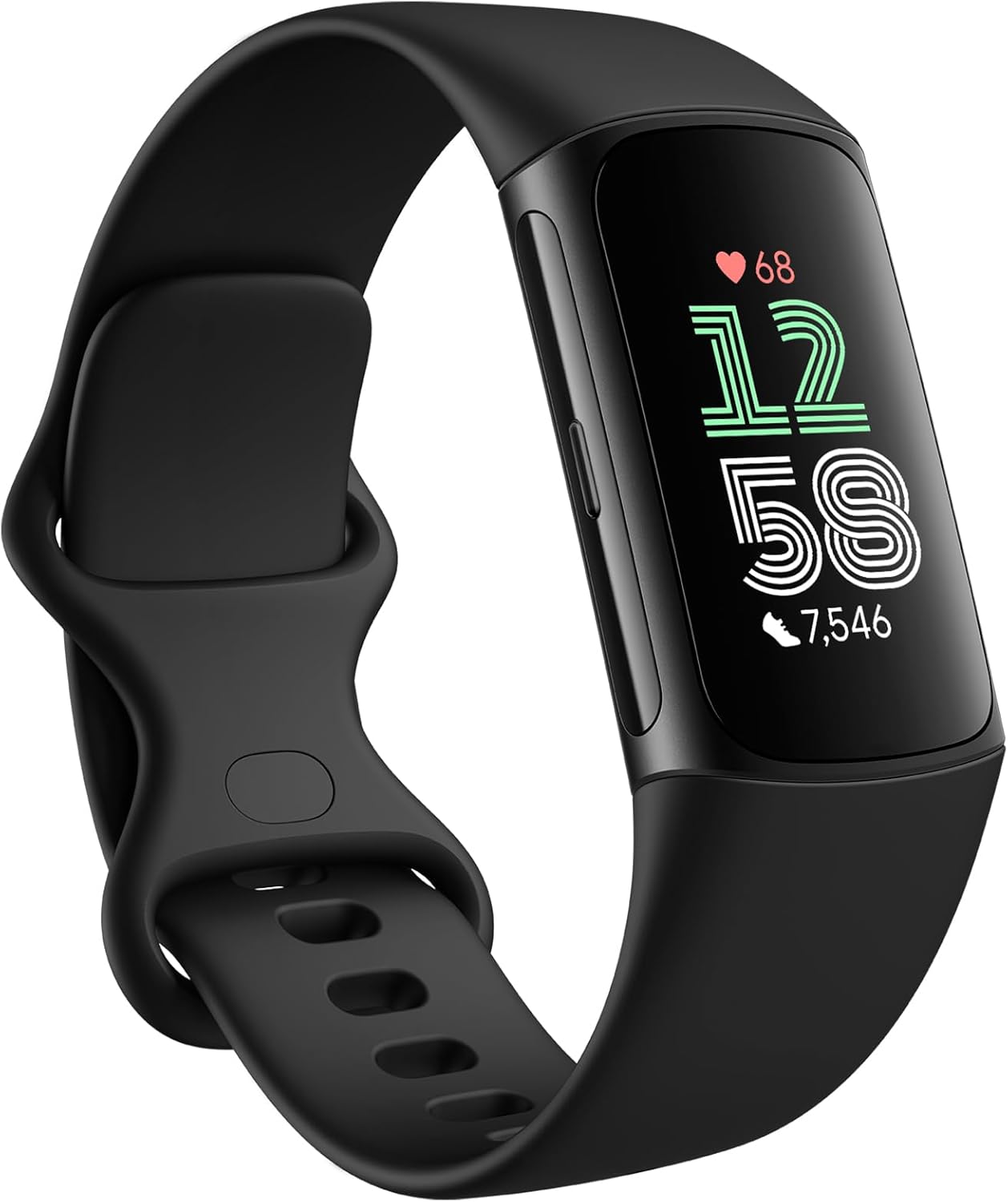 The Charge 6 is Fitbit’s most complete tracker yet, and it shows in the details: a brighter AMOLED display, the return of a physical side button, and genuinely useful Google integration (Maps, Wallet, YouTube Music controls) on the wrist. Heart rate accuracy improved noticeably over past Fitbit trackers thanks to a Google-tuned algorithm borrowed from Pixel Watch. Sleep and stress tools are solid for casual users, though the deepest insights, like Daily Readiness Score, sit behind a Premium subscription that some competitors include free. Build quality feels a step above the budget bands here, and the app remains the easiest to read at a glance. For most buyers who just want reliable everyday tracking without learning a new ecosystem, this is still the safest pick. It’s also one of Amazon’s best-selling trackers outright, with a 4.0-star average across more than 22,000 ratings.
Pros: Bright, easy-to-read AMOLED display, Built-in GPS and Google Maps/Wallet, Comfortable for 24/7 wear, Strong app and ecosystem support.
Cons: Best features locked behind Premium subscription, Battery life trails Garmin and Amazfit rivals.
2. Xiaomi Smart Band Active — Best Budget
 At $32.99, the Xiaomi Smart Band Active punches well above its price. It packs a 1.47-inch always-on display, 50 sport modes, and 5 ATM water resistance into a slim body most people forget they’re wearing. Battery life is the real headline: Xiaomi’s 18-day claim holds up close to reality in normal use, easily doubling or tripling what pricier trackers manage. Heart rate and SpO2 readings are serviceable rather than clinical-grade, and the companion app’s health insights feel thinner than Fitbit’s or Garmin’s. There’s no built-in GPS and no voice assistant, so outdoor distance tracking leans on your phone. Still, as an entry point for someone who just wants steps, sleep, and workout logging without committing real money, it’s hard to beat. It holds a 4.1-star average across more than 9,100 Amazon ratings.
Pros: Excellent value under $40, Long battery life, up to 18 days, Bright always-on display for the price, 50 built-in sport modes.
Cons: No built-in GPS or voice assistant, Health metrics less refined than premium brands.
3. WHOOP 5.0 (One Membership) — Best for Sleep Tracking
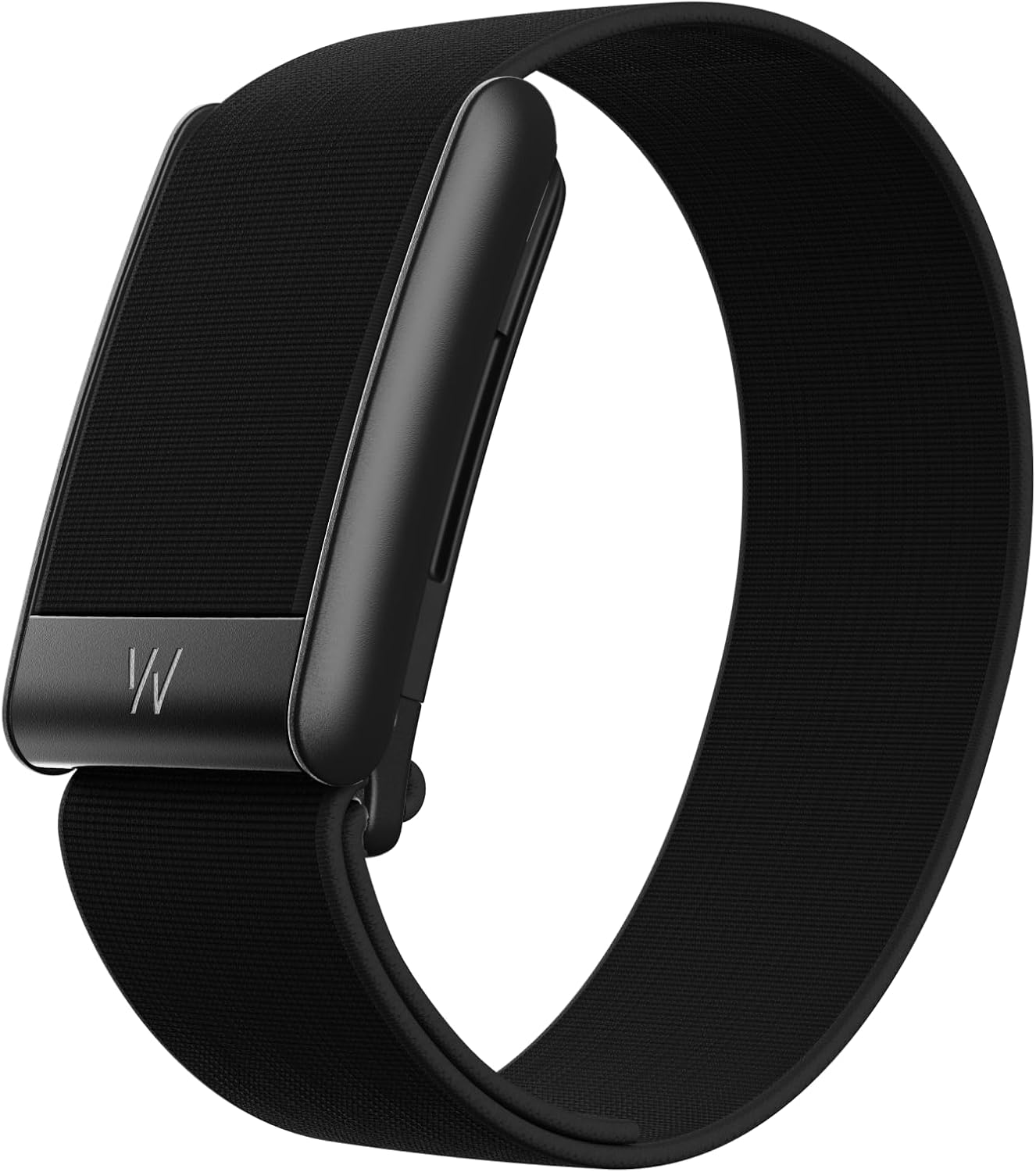 WHOOP’s screenless, subscription-only model isn’t for everyone, but for sleep tracking specifically it’s still the most detailed consumer option out there. Sleep-stage breakdowns, sleep debt, and a Recovery score built from HRV, resting heart rate, and respiratory rate give a genuinely useful daily readout, and the 5.0 hardware adds health-screening features like an ECG-style check. With no display, it disappears on your wrist overnight in a way smartwatches don’t. The catch: the $199/year membership is mandatory, you can’t buy the hardware outright and skip it, and the app leans hard into upselling coaching add-ons. If you’re serious about optimizing sleep and recovery and don’t mind an ongoing fee, it earns its keep; casual users will find it overkill for the price. The membership listing carries a 4.2-star average across 598 Amazon ratings.
Pros: Best-in-class sleep and recovery detail, Screenless design disappears while sleeping, New 5.0 hardware adds health screening tools, Long battery life, quick charging.
Cons: Requires an ongoing $199/year membership, No standalone display for quick checks.
4. Garmin Instinct 3 Solar (45mm) — Best Battery Life
 If you hate charging cables, the Instinct 3 Solar solves the problem outright: with normal outdoor sun exposure, Garmin’s solar panel keeps the ‘unlimited’ smartwatch-mode battery claim realistic, and even in GPS mode you get days rather than hours. The rugged fiber-reinforced case, MIL-STD build, and built-in flashlight feel made for actual outdoor use rather than gym selfies, and multi-band GPS with SatIQ stays accurate under tree cover. It’s not a touchscreen, and the always-on display is monochrome rather than the vivid AMOLED on Garmin’s Venu or Forerunner lines, so day-to-day smartwatch features feel more utilitarian. At $299.99 it’s also a real step up in price from the other trackers here. But for hikers, campers, or anyone who routinely forgets to charge devices, nothing else on this list touches its endurance. It carries a 4.6-star average across 767 Amazon ratings.
Pros: Solar charging enables near-unlimited battery outdoors, Extremely rugged, MIL-STD build, Multi-band GPS with SatIQ accuracy, Built-in flashlight.
Cons: Significantly pricier than the other trackers here, Monochrome display, no touchscreen.
5. Garmin Forerunner 55 — Best for Swimming/Outdoor
 The Forerunner 55 is an older beginner-focused running watch, but Garmin’s core running experience still holds up in 2026, especially at its now-discounted price. Preloaded pool swim, running, cycling, and cardio profiles cover more than enough activities for casual multi-sport use, and 5 ATM water resistance means it survives showers, pool laps, and downpours without a second thought. Daily Suggested Workouts is a nice touch for runners who want structure without hiring a coach, and GPS lock is fast and accurate on trails or roads. The tradeoffs are clear: no touchscreen, a dim non-AMOLED display, and less detailed swim metrics than Garmin’s higher-end triathlon watches. For a first real running watch or a rugged everyday piece that shrugs off water, it’s still one of the best values in Garmin’s lineup. It holds a 4.4-star average across more than 6,200 Amazon ratings.
Pros: Excellent value at current discounted pricing, Preloaded swim, run, and multisport profiles, Up to 2 weeks smartwatch battery life, Fast, accurate GPS lock.
Cons: No touchscreen or AMOLED display, Basic swim metrics vs. dedicated tri watches.
Related Guides
Ugo Daniel researches, compares, and writes the buying guides on Wallstores, cross-checking manufacturer specs, verified pricing, and real customer feedback across tech, home, fitness, and pet categories. He’s personally bought and used many of the kitchen appliances featured on the site, and draws on that firsthand experience in those reviews.