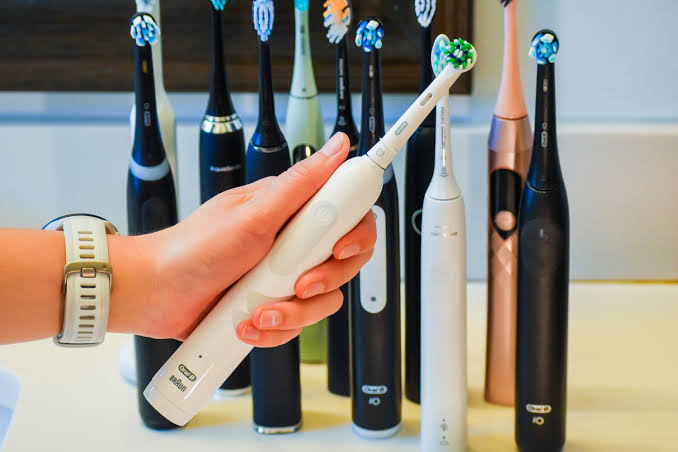
Electric toothbrushes range from $25 gas-station specials to $300 app-connected showpieces, and most of that price spread doesn’t buy meaningfully cleaner teeth. We picked these five after checking what’s actually still sold in 2026, matching each one to current specs and real owner complaints. Each pick earns its spot for a distinct reason: a true budget option, a sensible mid-range value, an easy first-electric-brush pick, and two premium models that justify their cost in different ways.
Quick Comparison
| Toothbrush | Best For | Modes | Key Feature | |
|---|---|---|---|---|
| Oral-B iO Series 6 | Best Overall | 5 modes | AI brushing recognition | See Price on Amazon → |
| Sonicare ProtectiveClean 6100 | Best Mid-Range Value | 3 modes x 3 intensities | BrushSync head reminder | See Price on Amazon → |
| Oral-B Pro 1000 | Best for First-Timers | 3 modes | 2-minute timer + pressure sensor | See Price on Amazon → |
| Sonicare DiamondClean Smart 9700 | Best Premium Pick | 5 modes x 3 intensities | App-based real-time coaching | See Price on Amazon → |
| Fairywill Sonic Toothbrush | Best Budget Pick | 5 modes | 8 brush heads included | See Price on Amazon → |
1. Oral-B iO Series 6 — Best Overall / Best for AI-Guided Brushing
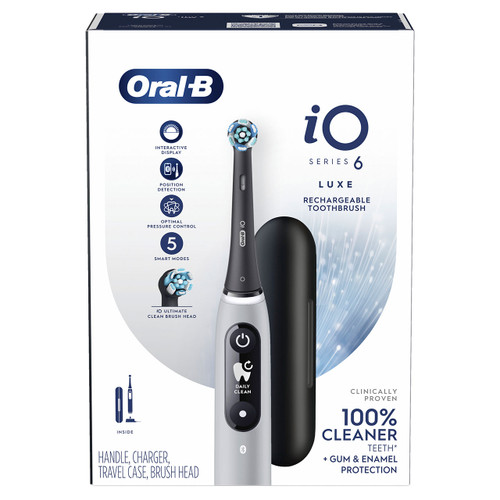 The iO Series 6 is where Oral-B’s flagship magnetic-drive tech trickles down to a price that doesn’t require a second mortgage. You get the same linear magnetic motor as the pricier iO models, a genuinely useful color interactive display, and AI brushing recognition that nudges you when you’re rushing one quadrant. In daily use it feels noticeably smoother than Oral-B’s older oscillating-rotating brushes. The tradeoff is replacement heads: Oral-B’s iO heads only fit iO handles and cost more than standard round heads, so your ongoing cost of ownership creeps up over two or three years.
Pros: smooth magnetic-drive motor, useful real-time display, AI brushing feedback.
Cons: pricier proprietary brush heads, occasionally sells out at retail.
2. Philips Sonicare ProtectiveClean 6100 — Best Mid-Range Value
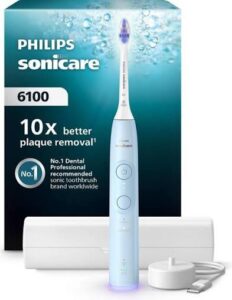 The ProtectiveClean 6100 is the Sonicare most people should actually buy — it skips the app-connected bells and whistles of the DiamondClean line and just cleans well. Three modes and three intensities cover the realistic range of what most brushers need, and the pressure sensor is genuinely effective at training you out of scrubbing too hard. Battery life is strong enough that you can forget the charger on a week-long trip without panic. The catch is the charging travel case: it’s handy, but it’s also the first thing that stops working right if you’re rough with it.
Pros: strong pressure sensor, long battery life between charges, no unnecessary app gimmicks.
Cons: fewer modes than premium Sonicare models, charging case isn’t separately replaceable.
3. Oral-B Pro 1000 — Best for First-Time Electric Brush Users
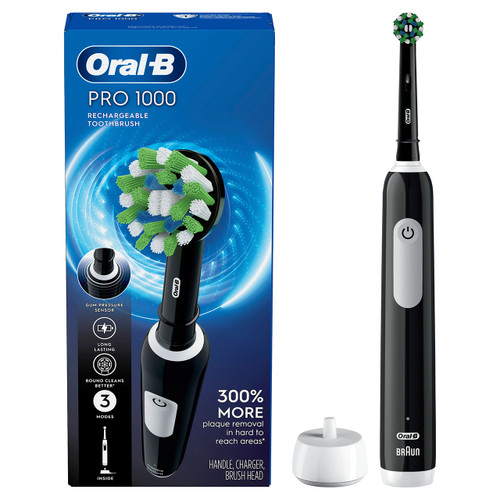 The Pro 1000 has been Oral-B’s entry-level workhorse for over a decade, and it’s still around in 2026 for a simple reason: it does the one thing that matters — a 2-minute timer and a pressure sensor that actually stops you from overbrushing — without charging you for features you won’t use. The CrossAction head does a genuinely good job knocking plaque off the gumline, and the rechargeable battery lasts a week-plus per charge. The obvious tradeoff is that this is a basic three-mode brush with no travel case included.
Pros: reliable pressure sensor, effective CrossAction head, budget-friendly for a name-brand electric brush.
Cons: no travel case included, feels basic next to iO or DiamondClean lines.
4. Philips Sonicare DiamondClean Smart 9700 — Best Premium Pick

Pros: app-based real-time coaching, four brush heads included, premium charging travel case.
Cons: high price for a toothbrush, smart features add little if you skip the app.
5. Fairywill Sonic Electric Toothbrush — Best Budget Pick
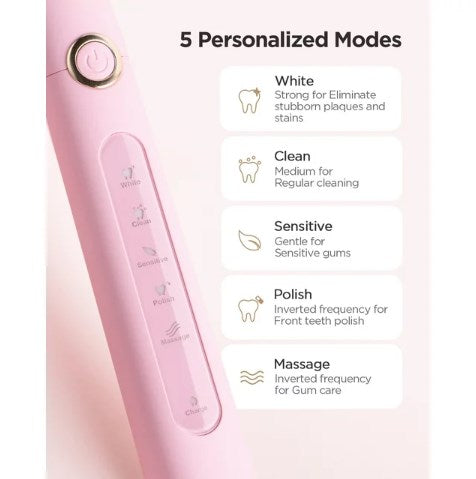 Fairywill built its reputation on one pitch: Sonicare-like sonic vibration at a fraction of the price, and this model delivers on that better than most budget brushes manage. Five modes, a 2-minute smart timer with quadrant alerts, IPX7 waterproofing, and eight brush heads in the box make it feel more generous than its price suggests, and battery life stretching to roughly a month per charge is genuinely useful for travel. The tradeoff is build quality: the plastic feels noticeably cheaper than Oral-B or Philips, and there’s no pressure sensor.
Pros: very low price for included accessories, long battery life, IPX7 waterproof.
Cons: no pressure sensor, build quality feels less durable than name brands.