
How We Choose the Products We Recommend
We don’t have a warehouse full of gear to physically put through its paces — what we do instead is disciplined research. For every guide, we start with the manufacturer’s published specifications and compare them directly against competing models in the same price range. We track real, current pricing across retailers, not list prices that never actually apply, so the numbers in our comparisons reflect what you’d actually pay today. And we read, in bulk, through verified customer reviews and independent expert coverage for each product, looking for recurring complaints, common praise, and the patterns a single glossy product page won’t tell you.
Where we’ve personally bought and used a product ourselves — currently true for many of the kitchen items we cover — we say so directly in the review, and that firsthand experience shapes what we highlight. For everything else, our pros-and-cons calls come from that cross-referenced research process, not a single source or a rewritten spec sheet. We revisit guides periodically as prices shift and new models launch, and we link to multiple retailers where possible so you’re not stuck with just one option.

Ugo Daniel researches, compares, and writes the buying guides on Wallstores, cross-checking manufacturer specs, verified pricing, and real customer feedback across tech, home, fitness, and pet categories. He’s personally bought and used many of the kitchen appliances featured on the site, and draws on that firsthand experience in those reviews.
Insulated bottles all promise cold water for hours, but the right one depends on where you drink and how you carry it. Before you buy, check these eight things.
1. Bottle or Tumbler?
A bottle with a sealed lid (Owala, Hydro Flask) is made to ride in a bag. A tumbler with a handle and straw (Stanley, Simple Modern) is built for desks and cupholders and is usually not leakproof.
2. Capacity
20–24 oz is easy to carry; 32–40 oz means fewer refills. If you track a daily water goal, a bigger bottle helps.
3. Lid Type
Choose between a straw, a chug spout, a sip-or-swig spout (Owala FreeSip), or a simple screw cap. Locking lids are best for bags.
4. Leakproof vs. Leak-Resistant
“Leak-resistant” usually means it won’t spill if it tips over on a desk. “Leakproof” means you can throw it in a backpack. Check before you pack it with your laptop.
5. Cupholder Fit
Many 40-oz tumblers taper to fit car cupholders, while some wide bottles, including the Owala FreeSip, do not.
6. Insulation Performance
Double-wall vacuum insulation is standard. Look for stated hold times (for example, 24 hours cold and 12 hours hot) if temperature matters to you.
7. Cleaning
Dishwasher-safe bodies and lids save time. Straws and complex lids need regular deep cleaning, so check whether parts come apart.
8. Warranty and Materials
Stainless steel bottles last for years. Some brands, like Stanley, offer lifetime warranties, and many advertise BPA-free lids.
Our Picks by Use Case
| Use Case | Our Pick | Price |
|---|---|---|
| Best overall | Owala FreeSip (24 oz) | $29.99 |
| Tightest budget | Simple Modern Trek (40 oz) | $19.99 |
| Big tumbler | Stanley Quencher H2.0 (40 oz) | $29.97 |
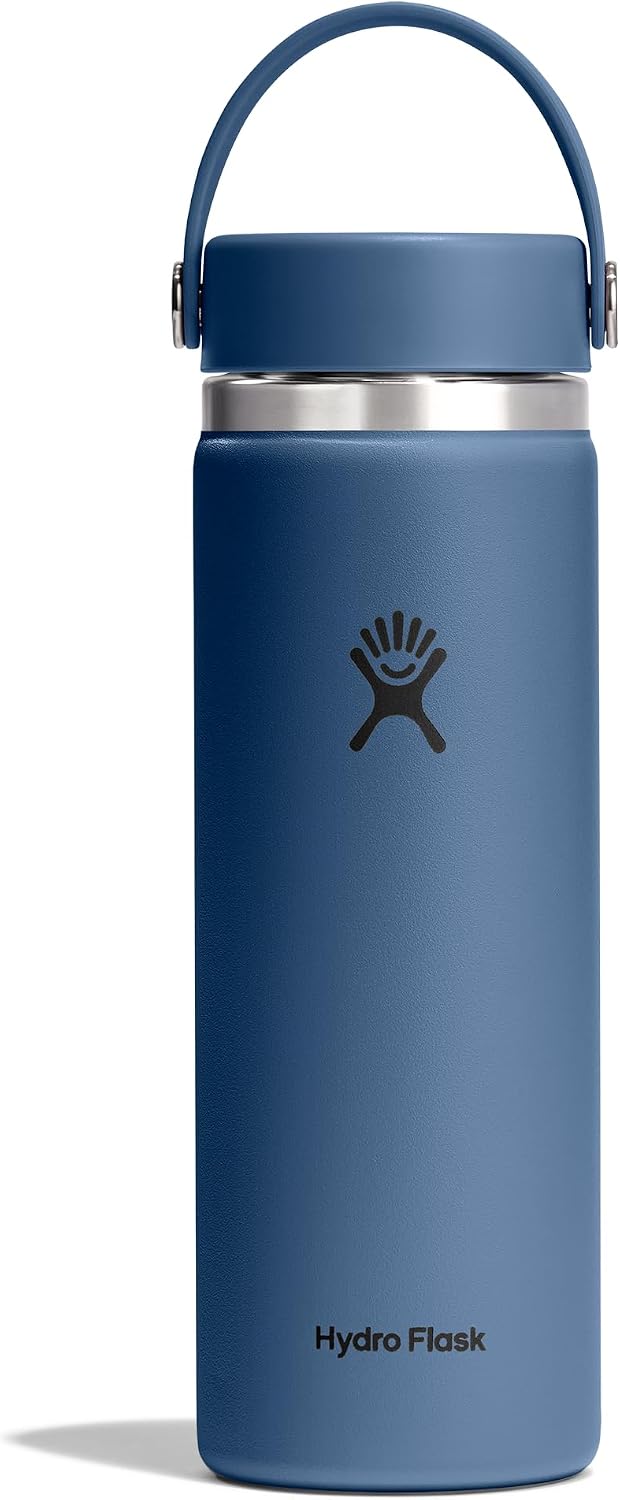
| Leakproof for bags | Hydro Flask Wide Mouth (20 oz) | $31.95 |
| Hot coffee | YETI Rambler (20 oz) | $35.00 |
| Hydration goals | HydroJug Traveler (32 oz) | $39.99 |
Related Guides
- Best Insulated Water Bottles for Every Budget in 2026
- Owala FreeSip vs. Stanley Quencher H2.0: Which Water Bottle Wins?
- Owala FreeSip Review: Is It Worth $30 in 2026?
- 5 Best Alternatives to the Owala FreeSip in 2026
- What to Consider Before Buying an Insulated Water Bottle: A Complete Guide
Ugo Daniel researches, compares, and writes the buying guides on Wallstores, cross-checking manufacturer specs, verified pricing, and real customer feedback across tech, home, fitness, and pet categories. He’s personally bought and used many of the kitchen appliances featured on the site, and draws on that firsthand experience in those reviews.