

How We Choose the Products We Recommend
We don’t have a warehouse full of gear to physically put through its paces — what we do instead is disciplined research. For every guide, we start with the manufacturer’s published specifications and compare them directly against competing models in the same price range. We track real, current pricing across retailers, not list prices that never actually apply, so the numbers in our comparisons reflect what you’d actually pay today. And we read, in bulk, through verified customer reviews and independent expert coverage for each product, looking for recurring complaints, common praise, and the patterns a single glossy product page won’t tell you.
Where we’ve personally bought and used a product ourselves — currently true for many of the kitchen items we cover — we say so directly in the review, and that firsthand experience shapes what we highlight. For everything else, our pros-and-cons calls come from that cross-referenced research process, not a single source or a rewritten spec sheet. We revisit guides periodically as prices shift and new models launch, and we link to multiple retailers where possible so you’re not stuck with just one option.

Ugo Daniel researches, compares, and writes the buying guides on Wallstores, cross-checking manufacturer specs, verified pricing, and real customer feedback across tech, home, fitness, and pet categories. He’s personally bought and used many of the kitchen appliances featured on the site, and draws on that firsthand experience in those reviews.
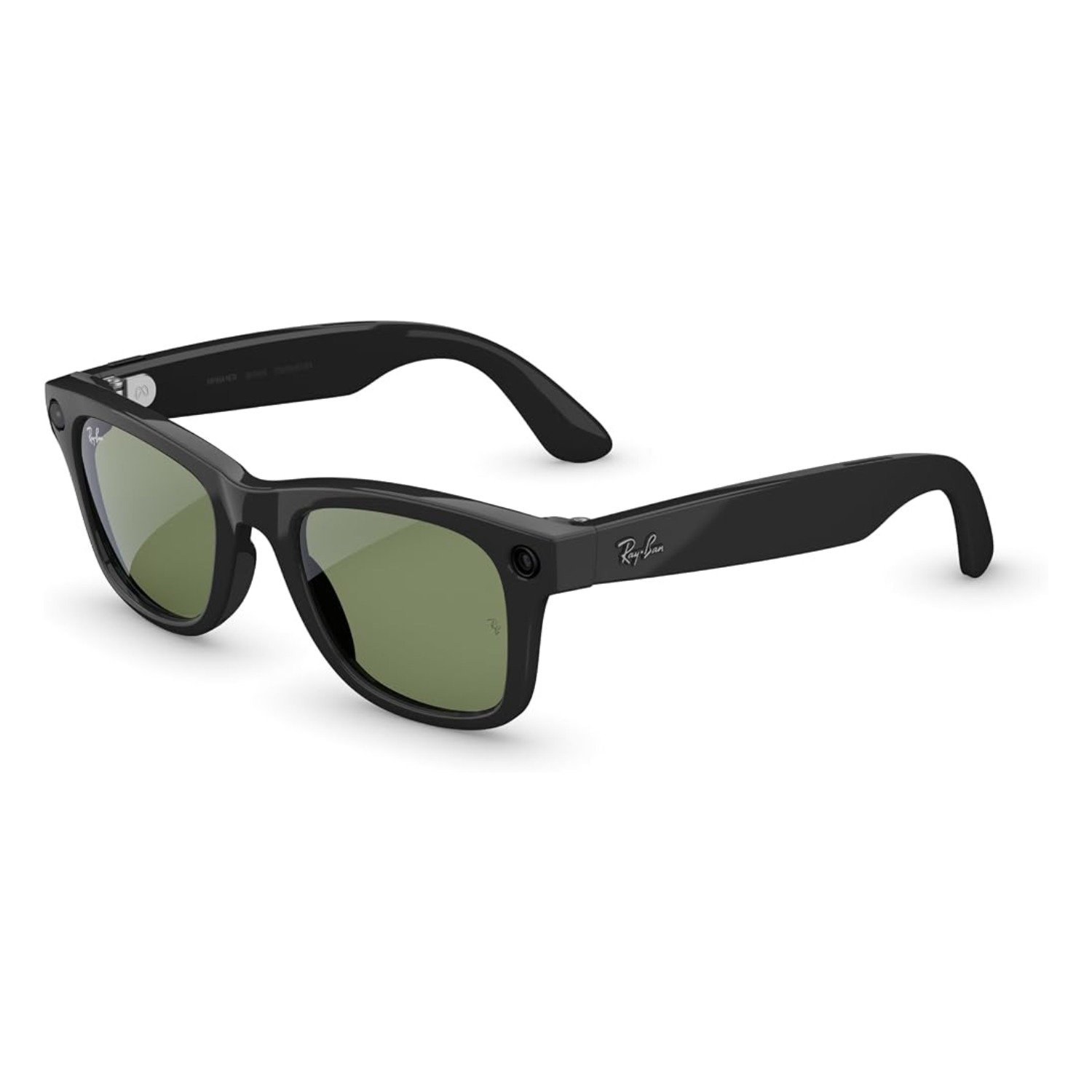
Smart glasses in 2026 fall into two genuinely different products wearing the same marketing label: camera-and-assistant glasses (Ray-Ban Meta, Oakley Meta HSTN, HTC Vive Eagle, budget options like Plunthorn) and display-based AR glasses (VITURE Pro 2 and similar). Deciding which lane you’re in comes before comparing specific models.
1. Decide: Camera Glasses or Display Glasses?
If you want hands-free photos, video, music, and an AI assistant, you want camera glasses. If you want a big private screen for movies, games, or work on the go, you want display/AR glasses. Very few products do both well, so pick the job first.
2. Battery Life
Camera glasses in this category typically run 6-8 hours per charge with a charging case good for a couple of extra days. Budget models (like the sub-$70 options) often cut battery capacity first — check the mAh rating, not just the marketing claim.
3. Camera and Recording Limits
Most AI camera glasses cap individual clips at 2-3 minutes and record in the 1080p-4K range depending on the model. If you need longer continuous recording, a dedicated action camera is still the better tool.
4. AI Assistant Ecosystem
Meta-powered glasses (Ray-Ban Meta, Oakley Meta HSTN) lean on the Meta AI app and its growing feature set. HTC’s Vive Eagle lets you choose between Gemini and ChatGPT. Budget glasses typically bundle a generic ChatGPT-based assistant with fewer integrations. If you’re already deep in one ecosystem, let that steer your pick.
5. Privacy
An always-on camera on your face is a real consideration for the people around you, not just you. Look for a visible recording indicator, automatic shutoff when the glasses are removed, and a clear data policy — HTC Vive Eagle is explicitly built around this; mainstream Meta glasses rely more on the LED indicator alone.
6. Frame Fit and Activity
A Wayfarer-style frame (Ray-Ban Meta) is built for everyday wear, not high-sweat activity. A wraparound sport frame (Oakley Meta HSTN) stays secure during a run or ride but looks out of place at the office. Match the frame to how you’ll actually use it most.
7. Water and Dust Resistance
Ratings vary widely in this category, from basic splash resistance up to full IP67 waterproofing on some budget and mid-range models. If you’ll wear them running, cycling, or near water, check the IP rating specifically rather than assuming.
8. Price vs. What You’ll Actually Use
Budget AI camera glasses (roughly $60-90) cover the core idea at a fraction of the price of Ray-Ban Meta or Oakley HSTN, but with smaller batteries and weaker camera/audio hardware. Premium display glasses like VITURE Pro 2 sit in a different price and purpose bracket entirely.
Our Picks by Use Case
| If you want… | Get this |
|---|---|
| One all-purpose everyday pair | Meta Ray-Ban Wayfarer (Gen 2) ($359.99) |
| A sport-secure fit with fitness data | Meta Oakley HSTN ($477.00) |
| Maximum privacy controls | HTC Vive Eagle AI Glasses ($499.00) |
| A big private screen, not a camera | VITURE Pro 2 XR/AR Glasses ($299.00) |
| The lowest possible entry price | Plunthorn AI Smart Glasses ($61.19) |
Related Guides
- Best Smart Glasses for Every Budget in 2026
- Ray-Ban Meta vs. Meta Oakley HSTN: Which Smart Glasses Should You Buy?
- Ray-Ban Meta (Gen 2) Review: Is It Worth $360 in 2026?
- 5 Best Alternatives to the Ray-Ban Meta Smart Glasses in 2026
- What to Consider Before Buying Smart Glasses: A Complete Guide
Ugo Daniel researches, compares, and writes the buying guides on Wallstores, cross-checking manufacturer specs, verified pricing, and real customer feedback across tech, home, fitness, and pet categories. He’s personally bought and used many of the kitchen appliances featured on the site, and draws on that firsthand experience in those reviews.