
How We Choose the Products We Recommend
We don’t have a warehouse full of gear to physically put through its paces — what we do instead is disciplined research. For every guide, we start with the manufacturer’s published specifications and compare them directly against competing models in the same price range. We track real, current pricing across retailers, not list prices that never actually apply, so the numbers in our comparisons reflect what you’d actually pay today. And we read, in bulk, through verified customer reviews and independent expert coverage for each product, looking for recurring complaints, common praise, and the patterns a single glossy product page won’t tell you.
Where we’ve personally bought and used a product ourselves — currently true for many of the kitchen items we cover — we say so directly in the review, and that firsthand experience shapes what we highlight. For everything else, our pros-and-cons calls come from that cross-referenced research process, not a single source or a rewritten spec sheet. We revisit guides periodically as prices shift and new models launch, and we link to multiple retailers where possible so you’re not stuck with just one option.

Ugo Daniel researches, compares, and writes the buying guides on Wallstores, cross-checking manufacturer specs, verified pricing, and real customer feedback across tech, home, fitness, and pet categories. He’s personally bought and used many of the kitchen appliances featured on the site, and draws on that firsthand experience in those reviews.
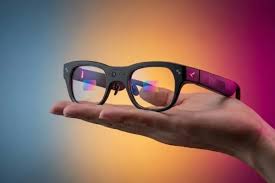
Smart glasses stopped being a novelty the moment Ray-Ban and Meta put a camera, speakers, and an AI assistant into a pair of frames people would actually wear every day. In 2026 the category has split into a few real lanes: everyday camera-and-audio glasses built around Meta AI, display-based AR glasses that turn your phone or laptop into a private movie screen, and budget AI camera glasses from newer brands chasing the same idea at a third of the price. We looked at what’s actually selling and well-reviewed on Amazon right now and picked one for every budget and use case.
| Product | Price | Rating | Best For |
|---|---|---|---|
| Plunthorn AI Smart Glasses | $61.19 | 4.0/5 | Tightest budget |
| VITURE Pro 2 XR/AR Glasses | $299.00 | 3.9/5 | Private screen for travel/gaming |
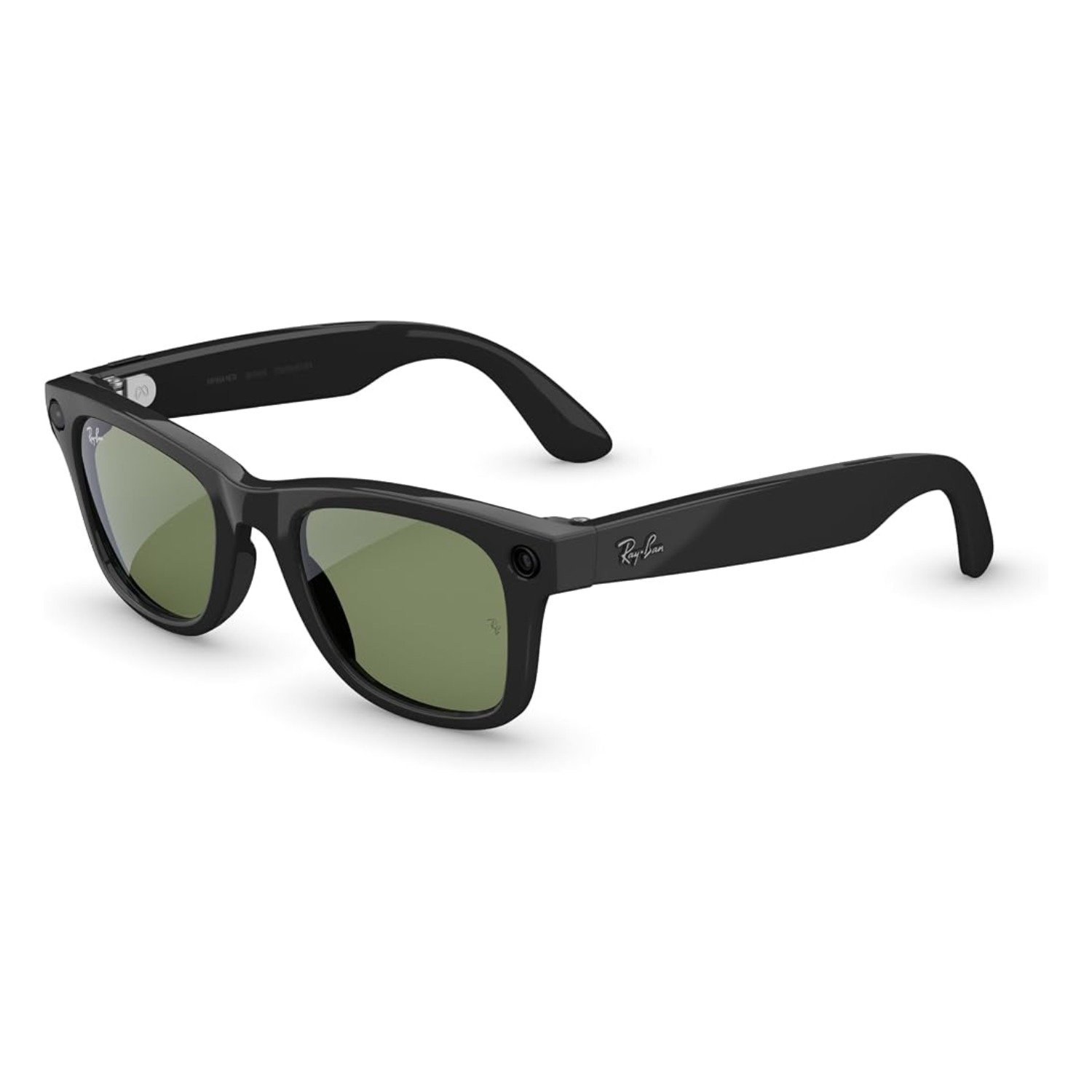
| Meta Ray-Ban Wayfarer (Gen 2) | $359.99 | 4.0/5 | Overall pick / everyday wear |
| Meta Oakley HSTN | $477.00 | 4.1/5 | Sports & outdoor activity |
| HTC Vive Eagle AI Glasses | $499.00 | 4.5/5 | Privacy-conscious buyers |
Plunthorn AI Smart Glasses — Tightest Budget

Price: $61.19 · Rating: 4.0/5 (693 ratings)
Why we selected it: At roughly a sixth of the price of Ray-Ban Meta, the Plunthorn glasses still cover the basics people actually want: a usable 4K camera, open-ear audio, and a ChatGPT-based assistant for translation and quick questions.
Who it’s for: First-time buyers who want to try the category without committing $300-500. Who should avoid it: Anyone who wants a recognizable fashion frame or long-term brand support — this is a function-first pair of glasses, not a style statement.
Pros:
- Lowest entry price in this list by a wide margin
- Real-time translation and ChatGPT assistant built in
- IP65 rated, fine for daily commuting and light rain
Cons:
- 290mAh battery is small — expect well under the 8 hours Meta’s glasses offer
- Camera quality and open-ear audio volume trail the big-name options
- No major companion ecosystem beyond the included app
Important specifications:
- 8MP camera, 4K video capture
- Open-ear Bluetooth speakers + mic
- ChatGPT voice assistant built in
- Real-time translation mode
- IP65 water resistance
- 290mAh battery
How it compares with alternatives: It covers the same camera-plus-audio basics as Ray-Ban Meta at a fraction of the price, but battery life, mic quality, and build fit and finish are noticeably behind.
What type of buyer should choose it: Someone curious about AI glasses who isn’t ready to spend $300+ to find out if they’ll actually wear them.
VITURE Pro 2 XR/AR Glasses — Best for a Private Screen

Price: $299.00 · Rating: 3.9/5 (334 ratings)
Why we selected it: VITURE Pro 2 is a different category entirely — instead of a tiny camera, it puts a 146-inch-equivalent Sony Micro-OLED display in front of your eyes, turning any USB-C phone, laptop, or handheld into a private widescreen.
Who it’s for: Travelers, gamers on Switch 2 or Steam Deck, and anyone who wants a big screen in a small dorm, hotel room, or airplane seat. Who should avoid it: Anyone looking for Meta-style hands-free photo/video capture — VITURE has no camera.
Pros:
- Genuinely big, sharp virtual display with built-in myopia correction
- At 63g it’s noticeably lighter than the first VITURE Pro
- Real-time 2D-to-3D conversion for movies and games
Cons:
- No camera, no voice assistant — it’s a display accessory, not an AI-glasses replacement
- Needs a compatible USB-C video-output device; older phones and consoles need extra adapters
- Can run warm during extended sessions
Important specifications:
- Sony Micro-OLED, 146-inch virtual screen equivalent
- 120Hz refresh, 1600 nits peak brightness
- Built-in -5.0D myopia adjustment (no prescription inserts needed)
- 63g, foldable, USB-C video input
- Real-time 2D-to-3D conversion via SpaceWalker app
- Works with phones, Switch 2, Steam Deck, laptops
How it compares with alternatives: Think of VITURE as complementary to, not competing with, Ray-Ban Meta or Oakley HSTN — some buyers end up owning both, one for capture and one for viewing.
What type of buyer should choose it: Frequent travelers, students in shared rooms, and portable-console gamers who want a bigger screen without carrying a monitor.
Meta Ray-Ban Wayfarer (Gen 2) — Overall Pick

Price: $359.99 · Rating: 4.0/5 (200 ratings)
Why we selected it: It’s the best-selling AI glasses line on Amazon for a reason: a classic Wayfarer frame that doesn’t scream “camera glasses,” a genuinely useful Meta AI assistant, and the longest battery life of the mainstream camera-based options.
Who it’s for: Anyone who wants one all-purpose pair for daily wear, casual content capture, and hands-free music/calls. Who should avoid it: Privacy-sensitive buyers uneasy about a Meta-connected camera on their face, or anyone needing a sport-specific fit.
Pros:
- 8 hours of battery, 2x the previous generation
- 3K video and a 12MP camera that’s genuinely usable for casual clips
- Iconic, non-techy Wayfarer styling
Cons:
- Requires a phone with the Meta AI app and an internet connection to unlock most features
- 3-minute max clip length per recording
- Priced well above the budget AI-glasses alternatives
Important specifications:
- 12MP camera, 3K video, clips up to 3 minutes
- Up to 8 hours battery, 48 more in the charging case
- Open-ear speakers for music and calls
- Meta AI voice assistant (hands-free Q&A, translation, reminders)
- Classic Wayfarer frame, multiple lens options
- Amazon’s Choice, #1-selling AI glasses line
How it compares with alternatives: Versus the Oakley Meta HSTN, it’s the better everyday/fashion choice; versus HTC Vive Eagle, it has a bigger ecosystem and app library but fewer built-in privacy controls.
What type of buyer should choose it: The default pick for most people — this guide’s overall recommendation.
Meta Oakley HSTN — Best for Sports & Outdoor Use

Price: $477.00 · Rating: 4.1/5 (602 ratings)
Why we selected it: Same Meta AI core as Ray-Ban Meta, but in a sport-oriented wraparound frame with Garmin/Strava activity sharing built in — it’s the pick for runners, cyclists, and golfers who want their stats layered onto their footage.
Who it’s for: Athletes and outdoor enthusiasts already in the Garmin/Strava ecosystem. Who should avoid it: Office or everyday-casual wear — the wraparound sport frame looks out of place off the field.
Pros:
- Same 8-hour battery and 3K camera as Ray-Ban Meta
- Garmin and Strava activity-data overlays
- Prizm lens options tuned for outdoor glare and contrast
Cons:
- Priced above standard Ray-Ban Meta depending on lens choice
- Sport-first look isn’t for daily office wear
- Same 3-minute clip limit as other Meta-powered glasses
Important specifications:
- 12MP camera, 100° FOV, 3K video up to 3 min clips
- Up to 8 hours battery + 48-hour charging case
- Open-ear audio and Bluetooth calling
- Meta AI with live translation and sports data (wind, surf reports)
- Activity sharing with Garmin and Strava
- Sport-oriented wraparound frame, Prizm lens options
How it compares with alternatives: It’s essentially Ray-Ban Meta’s internals in sport armor — choose based on frame style and your activity, not features.
What type of buyer should choose it: Runners, cyclists, golfers, and anyone who wants performance data baked into their POV footage.
HTC Vive Eagle AI Glasses — Best for Privacy

Price: $499.00 · Rating: 4.5/5 (11 ratings)
Why we selected it: HTC built its pitch entirely around privacy: a visible recording LED, automatic camera shutoff when the glasses come off your face, AES-256 encryption, and a promise that personal data isn’t sold or used to train AI models.
Who it’s for: Buyers who like the AI-glasses idea but are uneasy about always-on cameras and data harvesting. Who should avoid it: Early adopters chasing the biggest app ecosystem — HTC’s is far smaller than Meta’s.
Pros:
- Strongest privacy and security design in this category
- Choice of Gemini or ChatGPT as your assistant
- Live translation in 90+ languages
Cons:
- Very new to market with a limited review history
- Highest price point in this roundup
- Full translation features require a VIVE AI Pro subscription
Important specifications:
- 3K camera with AI horizon-leveling stabilization
- Camera recording LED + auto shutoff when removed
- AES-256 encryption, data never sold or used to train AI
- Choice of Gemini or ChatGPT assistant
- Live translation in 90+ languages (VIVE AI Pro)
- Open-ear speakers, hands-free calendar/reminders
How it compares with alternatives: It trades Meta’s bigger ecosystem for tighter privacy controls — a fair trade for the right buyer, a step back for anyone who just wants the most features today.
What type of buyer should choose it: Privacy-first buyers and professionals handling sensitive conversations who still want AI glasses.
What to Consider Before Buying
If you want hands-free photo and video capture plus a voice assistant, stick to Ray-Ban Meta, Oakley Meta HSTN, HTC Vive Eagle, or a budget camera pair like the Plunthorn glasses. If what you actually want is a bigger private screen for movies, games, or work, that’s a different job entirely — that’s what VITURE Pro 2 and similar AR display glasses are for. Battery life, frame style for your face and activity, and how comfortable you are with an always-on camera should drive the final call more than spec-sheet details.
Related Guides
- Best Smart Glasses for Every Budget in 2026
- Ray-Ban Meta vs. Meta Oakley HSTN: Which Smart Glasses Should You Buy?
- Ray-Ban Meta (Gen 2) Review: Is It Worth $360 in 2026?
- 5 Best Alternatives to the Ray-Ban Meta Smart Glasses in 2026
- What to Consider Before Buying Smart Glasses: A Complete Guide
Ugo Daniel researches, compares, and writes the buying guides on Wallstores, cross-checking manufacturer specs, verified pricing, and real customer feedback across tech, home, fitness, and pet categories. He’s personally bought and used many of the kitchen appliances featured on the site, and draws on that firsthand experience in those reviews.