
How We Choose the Products We Recommend
We don’t have a warehouse full of gear to physically put through its paces — what we do instead is disciplined research. For every guide, we start with the manufacturer’s published specifications and compare them directly against competing models in the same price range. We track real, current pricing across retailers, not list prices that never actually apply, so the numbers in our comparisons reflect what you’d actually pay today. And we read, in bulk, through verified customer reviews and independent expert coverage for each product, looking for recurring complaints, common praise, and the patterns a single glossy product page won’t tell you.
Where we’ve personally bought and used a product ourselves — currently true for many of the kitchen items we cover — we say so directly in the review, and that firsthand experience shapes what we highlight. For everything else, our pros-and-cons calls come from that cross-referenced research process, not a single source or a rewritten spec sheet. We revisit guides periodically as prices shift and new models launch, and we link to multiple retailers where possible so you’re not stuck with just one option.

Ugo Daniel researches, compares, and writes the buying guides on Wallstores, cross-checking manufacturer specs, verified pricing, and real customer feedback across tech, home, fitness, and pet categories. He’s personally bought and used many of the kitchen appliances featured on the site, and draws on that firsthand experience in those reviews.
Last updated: October 2026
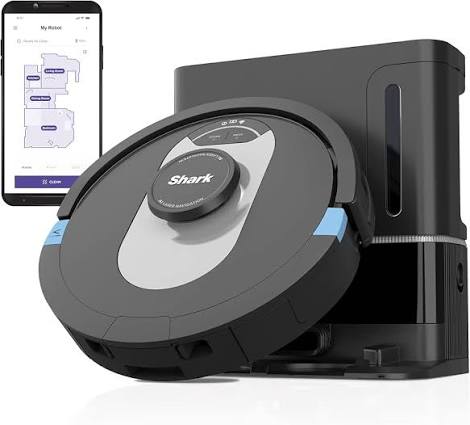
The Shark AI Ultra Robot Vacuum (AV2511AE) is the single most-bought robot vacuum we track on Amazon, with over 41,000 ratings and 10,000+ purchases in the past month alone. That kind of volume means one thing above all: this is the default choice for people who don’t want to research robot vacuums, they just want one that works. We already named it the Best Overall pick in our main robot vacuum roundup — this review goes deeper into whether that reputation actually holds up once you live with it.
Why We Selected It
We picked the Shark AI Ultra for an extensive review because review volume at this scale is rare and genuinely meaningful — 41,332 ratings is a bigger real-world sample than almost any other robot vacuum on the market, and a 4.0-star average holding steady across that many buyers says the experience is consistent rather than a few enthusiastic early reviews. It also sits at a price point ($449.99, regularly discounted from $599) that’s accessible without being a budget compromise, and Shark’s brand support (parts, customer service, firmware updates) is more established than most of the newer Chinese-import brands flooding this category.

Who It’s For
The AI Ultra makes the most sense for a household that wants a genuinely hands-off robot vacuum without stepping up to flagship pricing: mixed hard-floor and low-to-medium pile carpet homes, pet owners dealing with regular shedding, and anyone who specifically wants the reassurance of a mainstream brand with a long track record over a newer challenger brand. It’s also a strong fit if you want Alexa/Wi-Fi integration without fiddling with a less polished app.
Who Should Avoid It
Skip this one if you have thick, high-pile carpet throughout — Shark’s Matrix Clean suction is solid but not class-leading, and newer dual-camera models like the dreame L40 Ultra Gen 2 handle deep carpet and obstacle-dense rooms more capably. It’s also not the pick if you specifically want mopping built in (the AI Ultra is vacuum-only) or if you want the absolute newest navigation tech — its LiDAR mapping is reliable but the app experience feels a step behind 2026’s newest entrants.
Pros
Enormous, trustworthy review base (41,300+ ratings) that makes performance claims easy to verify independently; 60-day self-emptying base means close to two months of zero-maintenance operation for most households; 360° LiDAR mapping handles whole-home navigation reliably, including in the dark; self-cleaning brushroll meaningfully reduces hair-wrap maintenance for pet owners; established brand means parts, support, and firmware updates aren’t a gamble.
Cons
No mopping function — vacuum only, so homes that want a single robot for both jobs will need to look elsewhere; suction trails the newest 20,000–25,000Pa competitors on thick carpet; app feels dated next to dreame and Roborock’s newer interfaces; 90-minute runtime is average, not class-leading, for larger homes.
Important Specifications
| Spec | Detail |
|---|---|
| Navigation | 360° LiDAR, Matrix Clean grid-pattern mapping |
| Self-empty capacity | Up to 60 days, bagless base |
| Runtime | Up to 90 minutes, auto-recharge and resume |
| Filtration | HEPA filter in base |
| Mopping | Not included (vacuum only) |
| Smart home | Wi-Fi app control, Amazon Alexa compatible |
| Price | $449.99 (list $599.00) |
| Rating | 4.0 / 5 across 41,332 ratings |
How It Compares with Alternatives
Against the dreame L40 Ultra Gen 2 ($499.98), the AI Ultra loses on raw suction (25,000Pa vs. Shark’s more modest output) and obstacle-avoidance tech, but wins decisively on review volume and price. Against the dreame D20 Air Plus ($269.99), the AI Ultra costs more but includes a far larger self-emptying base capacity history and brand trust, while the D20 counters with 20,000Pa suction and a 120-day bin. Against budget options like Tikom ($208.99) and VONKO ($179.99), the AI Ultra is a clear step up in mapping precision and suction, justifying the price gap for anyone who’s been burned by a cheap bump-and-go robot before. See our full alternatives roundup for five more options across every budget.
What Type of Buyer Should Choose It
Choose the Shark AI Ultra if you want the safest, most-proven choice in the category and you’re not chasing the newest suction numbers — it’s the robot vacuum equivalent of buying the bestselling car in its class rather than the newest startup’s flashiest model. It particularly suits first-time robot vacuum buyers who want a brand name they already trust, and households without thick, deep-pile carpet throughout.
What to Consider Before Buying
Before buying, measure your home’s carpet pile height — if it’s mostly low-pile or hard floors, the AI Ultra’s suction is more than sufficient; thick shag or plush carpet is where it starts to show its limits. Also decide upfront whether you want mopping built in, since this model doesn’t include it, and budget for the fact that replacement HEPA filters and brushrolls are an ongoing (if infrequent) cost with any robot vacuum.
How we research this review: Wallstores is written and maintained by Ugo Daniel. We build this review from the live Amazon listing — current pricing, verified ASIN, and real buyer rating counts — cross-checked against the manufacturer’s published specs. We don’t take payment from brands to appear in this review, and we don’t claim to have run this robot in our own home; consider this a specs-and-reviews analysis rather than a lab test.
Related Guides
Ugo Daniel researches, compares, and writes the buying guides on Wallstores, cross-checking manufacturer specs, verified pricing, and real customer feedback across tech, home, fitness, and pet categories. He’s personally bought and used many of the kitchen appliances featured on the site, and draws on that firsthand experience in those reviews.