How We Choose the Products We Recommend
We don’t have a warehouse full of gear to physically put through its paces — what we do instead is disciplined research. For every guide, we start with the manufacturer’s published specifications and compare them directly against competing models in the same price range. We track real, current pricing across retailers, not list prices that never actually apply, so the numbers in our comparisons reflect what you’d actually pay today. And we read, in bulk, through verified customer reviews and independent expert coverage for each product, looking for recurring complaints, common praise, and the patterns a single glossy product page won’t tell you.
Where we’ve personally bought and used a product ourselves — currently true for many of the kitchen items we cover — we say so directly in the review, and that firsthand experience shapes what we highlight. For everything else, our pros-and-cons calls come from that cross-referenced research process, not a single source or a rewritten spec sheet. We revisit guides periodically as prices shift and new models launch, and we link to multiple retailers where possible so you’re not stuck with just one option.

Ugo Daniel researches, compares, and writes the buying guides on Wallstores, cross-checking manufacturer specs, verified pricing, and real customer feedback across tech, home, fitness, and pet categories. He’s personally bought and used many of the kitchen appliances featured on the site, and draws on that firsthand experience in those reviews.
Last updated: September 2026 · Written by Ugo Daniel, founder of Wallstores
Air fryers now range from $60 basic single-basket units to $300+ multi-function hybrids, and the “right” one depends entirely on your household size and how you actually cook. This guide walks through the factors that matter before you buy — capacity, wattage, basket type, and features — and points to a few current, verified examples at each stage so you can see what your money actually buys.
How we research this guide: every price, rating, and review count below comes directly from each product’s live Amazon listing at the time of writing. We don’t accept free review units from these brands — this is a comparison of verified specs and real buyer feedback, not a hands-on test.
1. Capacity: Match It to Your Household
Capacity is the single biggest factor in day-to-day satisfaction. A 2-4 qt basket suits one person; 5-6 qt comfortably feeds 2-4 people and fits a whole chicken; anything 8 qt or above (especially dual-basket designs) is built for families of 4+ or anyone who batch-cooks. Buying too small is the most common regret we see in air fryer reviews — it leads to cooking everything in multiple batches, which erases most of the time savings an air fryer is supposed to provide.

2. Single Basket vs. Dual-Zone
A single-basket air fryer is simpler, cheaper, and usually preheats faster. A dual-zone or dual-basket model (like the Gourmia 10 Qt Dual Basket) lets you cook two foods at two different temperatures simultaneously — genuinely useful if you regularly pair proteins and vegetables with different cook times, but wasted capability if you usually cook one dish at a time.
3. Wattage and Max Temperature
Most air fryers run 1500-1800W with a max temperature around 400-450°F. Higher wattage generally means faster preheat and more even crisping, especially in larger baskets. If you cook frozen foods often, a higher max temperature (450°F+) will get you closer to fried-food texture.
4. Controls: Dial vs. Touchscreen vs. App-Connected
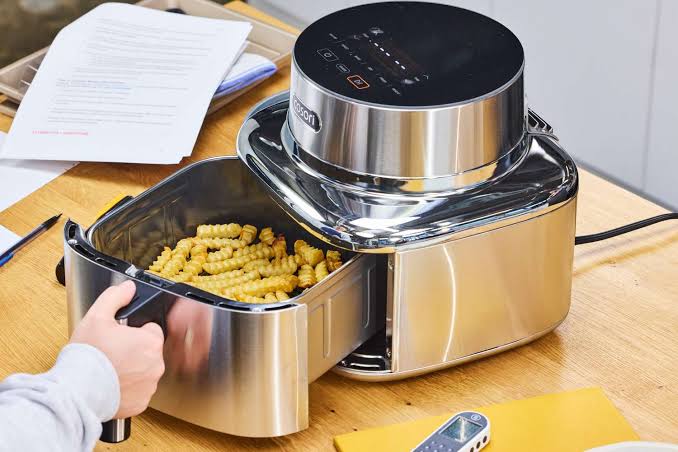
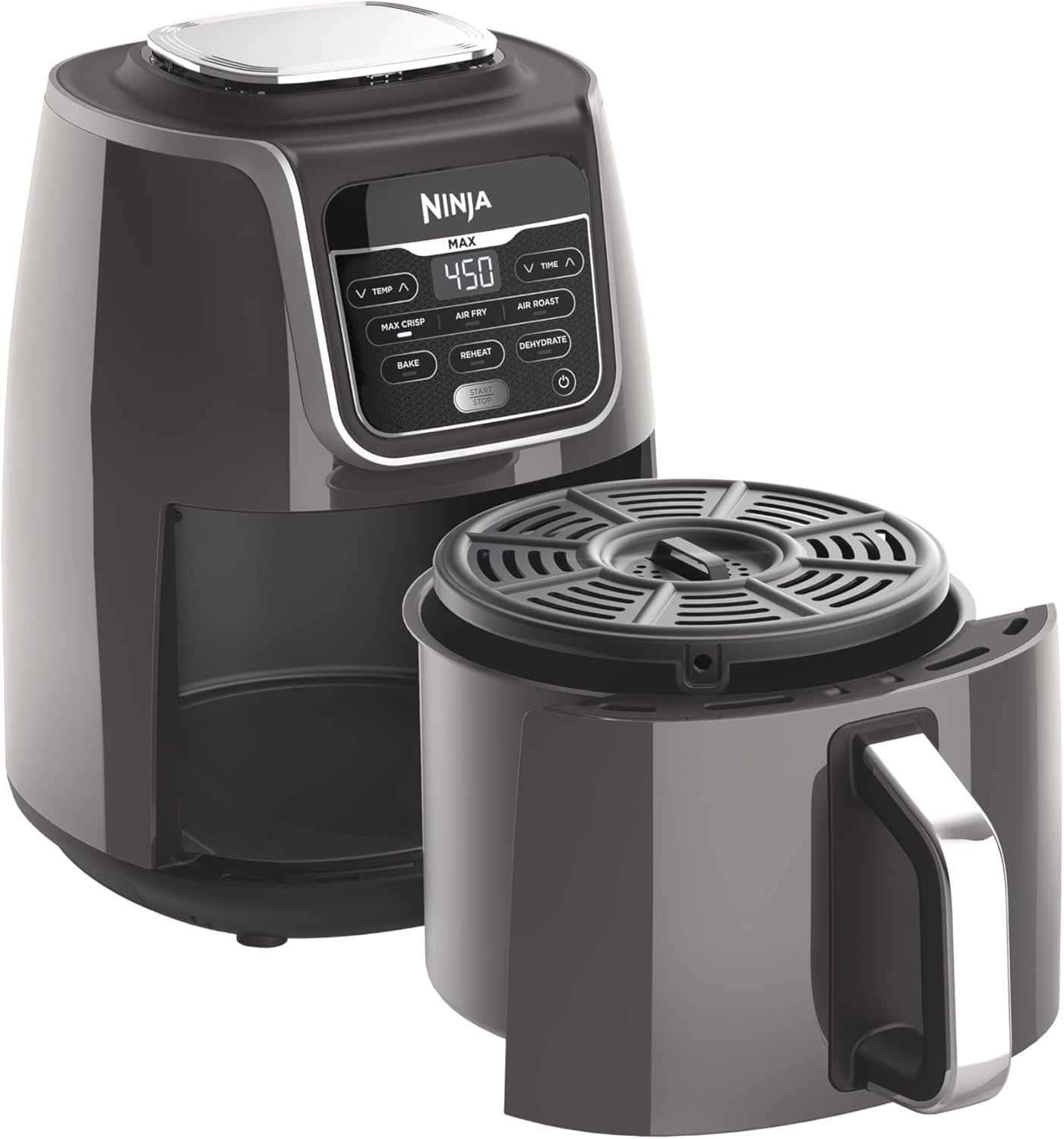
A mechanical dial, like on the Ninja Air Fryer Max XL, is simple and tends to last longer without electronic issues. A touchscreen with app connectivity, like the Cosori TurboBlaze, adds presets, recipe scanning, and voice control, but is one more thing that can wear out or feel fussy with greasy hands. Neither is objectively better — it’s a matter of how much you value simplicity versus features.

5. Multi-Function Hybrids
If you’re trying to replace multiple appliances, a hybrid like the Instant Pot Duo Crisp combines pressure cooking and air frying in one unit via interchangeable lids. This saves counter and cabinet space overall, but the unit itself is bulkier than a dedicated air fryer and costs more upfront.
6. Budget vs. Premium
Budget air fryers (roughly $60-90) like the Chefman TurboFry cover the fundamentals well and often carry large, reassuring review bases. Premium options ($250+) like the Philips Premium Airfryer XXL add brand-specific technology (Philips’ Twin TurboStar) and build quality, but the price jump doesn’t always translate to proportionally better cooking results for casual users.
7. Reading Ratings the Right Way
Star rating alone can mislead. A 4.8-star product with 300 ratings carries more uncertainty than a 4.7-star product with 20,000+ ratings — the larger sample is less likely to be skewed by a handful of very happy or very unhappy early buyers. Always check review count alongside the star average.
What to Consider Before Buying: Quick Checklist
Who it’s for: First-time air fryer buyers and anyone replacing an aging unit who wants a clear framework rather than guessing.
Who should look elsewhere: Buyers who already know exactly which brand and capacity they want — jump straight to our Best Air Fryers Under $150 roundup instead.
Pros of buying based on this framework: Avoids the most common regret (buying too small), Matches features to how you actually cook, Helps you avoid overpaying for capability you won’t use.
Cons/tradeoffs to accept: The “best” air fryer is household-specific — there’s no single correct answer, More features (touchscreen, app, dual-zone) generally means a higher price.
Related Guides
Ugo Daniel researches, compares, and writes the buying guides on Wallstores, cross-checking manufacturer specs, verified pricing, and real customer feedback across tech, home, fitness, and pet categories. He’s personally bought and used many of the kitchen appliances featured on the site, and draws on that firsthand experience in those reviews.