
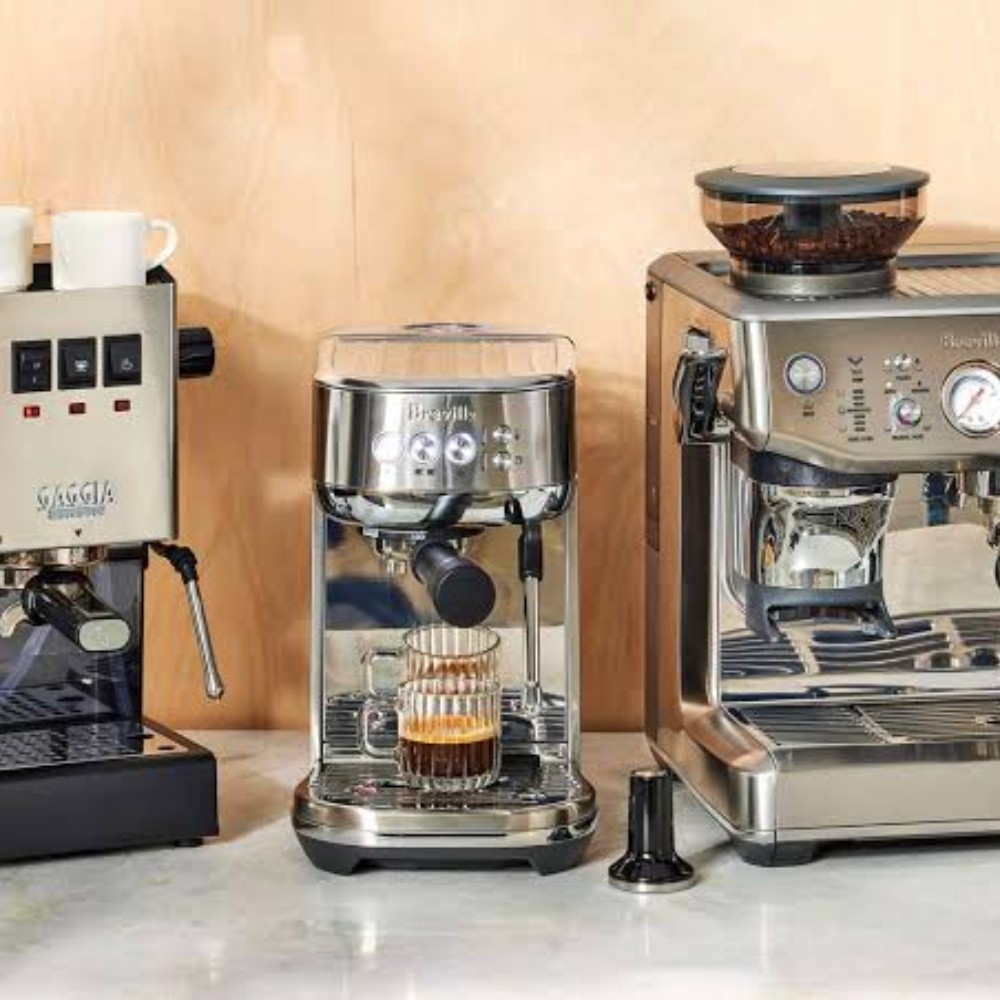
How We Choose the Products We Recommend
We don’t have a warehouse full of gear to physically put through its paces — what we do instead is disciplined research. For every guide, we start with the manufacturer’s published specifications and compare them directly against competing models in the same price range. We track real, current pricing across retailers, not list prices that never actually apply, so the numbers in our comparisons reflect what you’d actually pay today. And we read, in bulk, through verified customer reviews and independent expert coverage for each product, looking for recurring complaints, common praise, and the patterns a single glossy product page won’t tell you.
Where we’ve personally bought and used a product ourselves — currently true for many of the kitchen items we cover — we say so directly in the review, and that firsthand experience shapes what we highlight. For everything else, our pros-and-cons calls come from that cross-referenced research process, not a single source or a rewritten spec sheet. We revisit guides periodically as prices shift and new models launch, and we link to multiple retailers where possible so you’re not stuck with just one option.

Ugo Daniel researches, compares, and writes the buying guides on Wallstores, cross-checking manufacturer specs, verified pricing, and real customer feedback across tech, home, fitness, and pet categories. He’s personally bought and used many of the kitchen appliances featured on the site, and draws on that firsthand experience in those reviews.
Last updated: September 2026
Home espresso has never been more accessible — or more confusing to shop for, with dozens of machines promising barista-quality shots at every price point. We spent hours comparing specs, real owner feedback, and current market pricing to narrow the field down to five standout espresso machines for 2026, covering everything from beginner-friendly super-automatics to serious semi-automatic setups for aspiring home baristas. Whether you want one-touch lattes or full manual control over your shot, one of these picks should fit your counter and your budget.
Quick Comparison
| Product | Best For | Price | |
|---|---|---|---|
| Breville Barista Express Impress | Best Overall | ~$649.95 | See Price on Amazon → |
| Casabrews 5700Pro | Best Budget | $399–$490 | See Price on Amazon → |
| De’Longhi Magnifica Evo | Best for Beginners | $499–$600 | See Price on Amazon → |
| Gaggia Classic Pro E24 | Best Semi-Automatic | $399–$549 | See Price on Amazon → |
| Breville Bambino Plus | Best Compact | $399–$500 | See Price on Amazon → |
1. Breville Barista Express Impress (BES876BSS) — Best Overall
 The Barista Express Impress is Breville’s most refined all-in-one grinder-and-espresso-machine combo, and it remains the machine most reviewers point to as the best balance of quality, features, and price for a serious home setup. Its built-in conical burr grinder, PID-controlled thermocoil heating, and assisted Precision Puck Fit tamping system take a lot of the guesswork out of pulling a consistent shot, while a 54mm portafilter and manual steam wand still leave plenty of room to develop real barista skills. On Amazon, it holds a 4.2-star average across 1,114 ratings.
Pros: built-in conical burr grinder with 25 settings, grinds directly into the portafilter, assisted tamping/dosing system reduces user error for consistent shots, PID temperature control and 9-bar pump deliver café-quality espresso, manual steam wand gives real microfoam control once you learn it.
Cons: expensive relative to entry-level machines (~$650), steep-ish learning curve for dialing in grind and tamp despite the assist features, larger footprint than compact machines.
2. CASABREWS 5700Pro Espresso Machine with Grinder — Best Budget
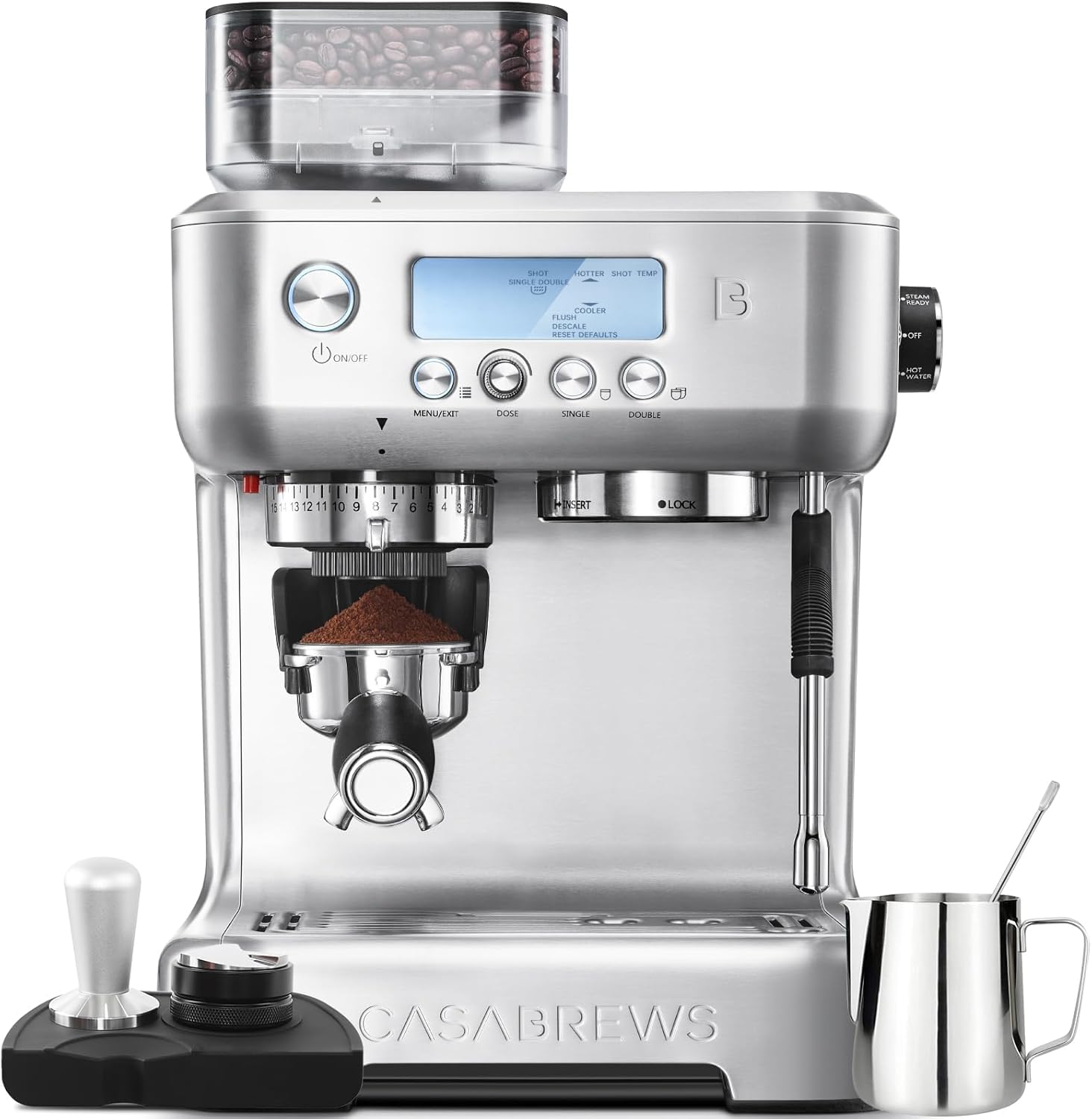 The Casabrews 5700Pro punches well above its price point by packing a built-in conical burr grinder, a 20-bar pump, an LCD display, and a steam wand for milk drinks into one unit — features that typically cost twice as much on name-brand machines. It won’t match a Breville or Gaggia on build quality or long-term durability, but for someone testing the espresso-at-home waters without committing $500+, it’s a genuinely capable starter machine. It holds a 4.4-star average across 67 Amazon ratings.
Pros: all-in-one design: built-in grinder + espresso machine + steam wand at a budget price, LCD display makes settings easy for espresso beginners, frequently praised in reviews as strong value versus name-brand competitors.
Cons: build quality and longevity don’t match premium brands like Breville or Gaggia, overlapping model names/SKUs make it easy to buy the wrong variant, less consistent shot quality than higher-end semi-automatics.
3. De’Longhi Magnifica Evo with LatteCrema (ECAM29084SB) — Best for Beginners / Super-Automatic
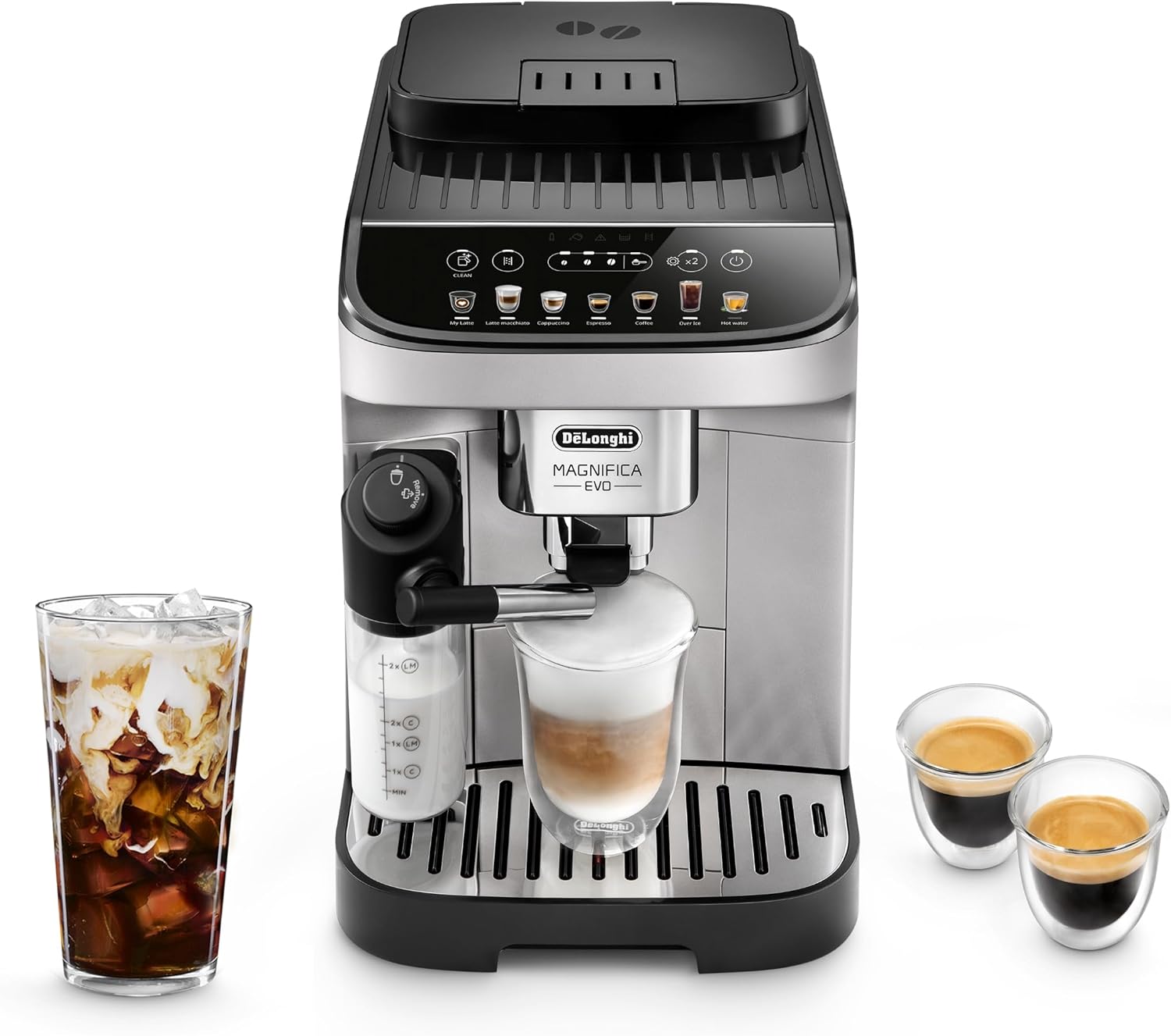 If pulling manual shots isn’t the point for you — you just want a genuinely good latte or cappuccino at the touch of a button — the Magnifica Evo is the pick. Its built-in ceramic burr grinder, automatic LatteCrema milk frother, and one-touch recipes for seven drinks mean there’s no dialing in grind size or steaming milk by hand. It’s the closest thing to a café experience with zero barista skills required. Worth noting: this listing carries a 3.9-star average across 998 Amazon ratings, on the lower end of the picks on this list.
Pros: one-touch automatic brewing for 7 drink recipes, including iced coffee, automatic milk frother (LatteCrema) — no manual steaming required, built-in burr grinder with 13 grind settings, auto-clean function simplifies maintenance.
Cons: less control over shot customization than semi-automatic machines, bulkier countertop footprint than manual machines, full MSRP ($899.95) is steep if you don’t catch a sale.
4. Gaggia Classic Pro E24 (RI9380/46) — Best Semi-Automatic / Manual
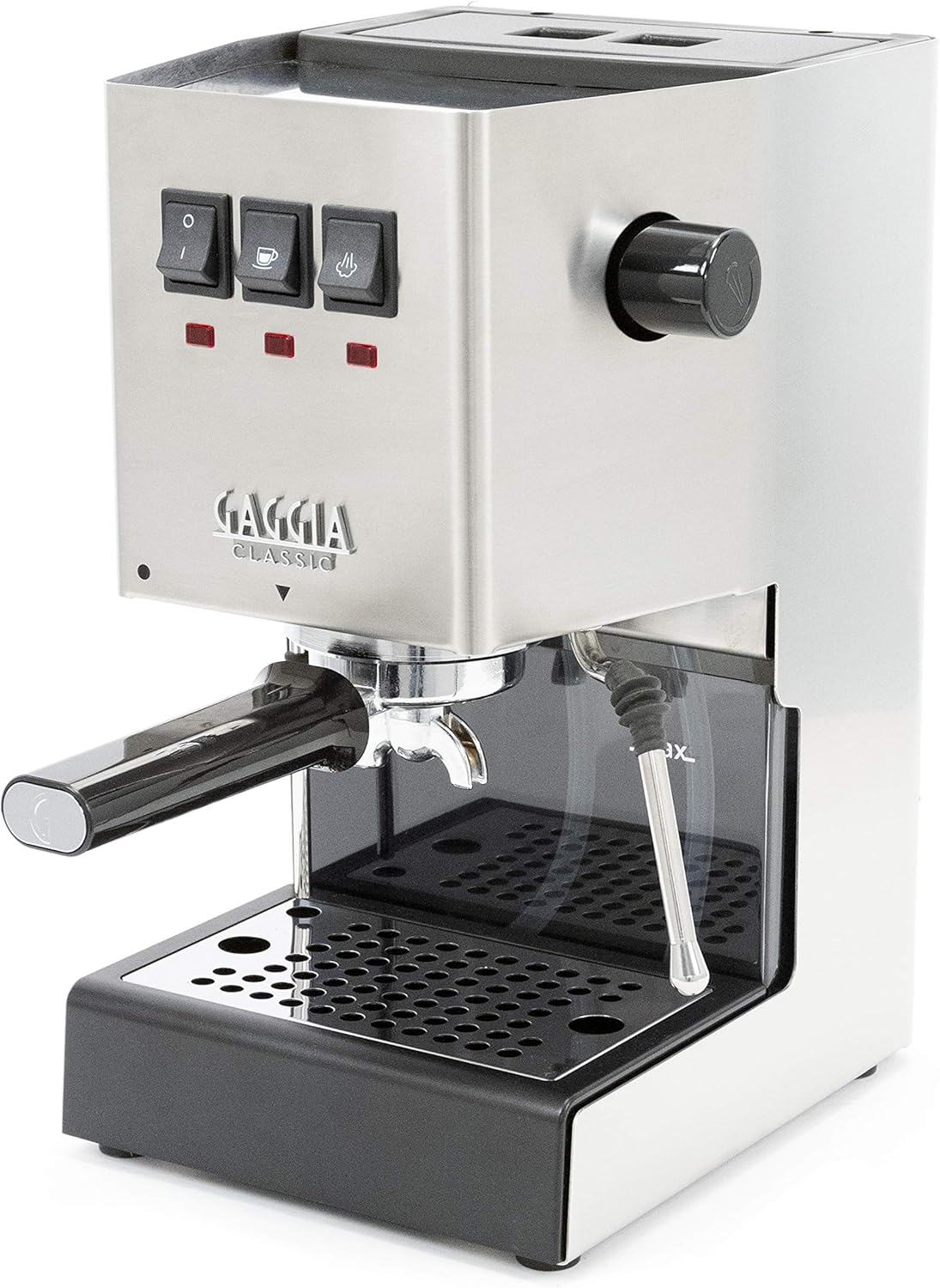 For people who actually want to learn the craft of espresso — dialing in grind, tamping by feel, working a real steam wand — the Gaggia Classic Pro E24 is a longtime enthusiast favorite that’s earned cult status for good reason. It’s a true semi-automatic machine: you control dose, tamp, and extraction, with no shot presets to lean on. The updated brass boiler improves on the machine’s already-solid thermal stability. It holds a 4.4-star average across 3,182 Amazon ratings.
Pros: full manual control appeals to hobbyists who want to develop real barista skills, all-metal, compact construction with a strong reputation for longevity, updated brass boiler improves thermal stability over the previous version, large aftermarket accessory ecosystem.
Cons: no built-in grinder — requires a separate burr grinder purchase, steep learning curve for espresso beginners, manual steam wand takes practice to texture milk well.
5. Breville Bambino Plus (BES500BSS) — Best Compact
 The Bambino Plus proves you don’t need a huge machine to get genuinely good espresso — it’s one of the smallest semi-automatic machines on the market with a built-in automatic milk frother, making it a favorite for small kitchens and dorm-style setups. Breville’s fast-heating ThermoJet system gets it from cold to a ready shot in about 3 seconds, and the automated microfoam texturing means you can make a decent latte without steam-wand practice. On Amazon, it holds a 4.1-star average across 2,410 ratings.
Pros: extremely fast heat-up (ThermoJet system, ~3 seconds), automatic milk texturing takes the guesswork out of microfoam, small footprint ideal for compact kitchens, manual override available for users who want more shot control.
Cons: no built-in grinder — pre-ground or separate grinder required, smaller water tank/drip tray than larger machines, more frequent refills, less shot-customization depth than the full Barista Express line.
Related Guides
Ugo Daniel researches, compares, and writes the buying guides on Wallstores, cross-checking manufacturer specs, verified pricing, and real customer feedback across tech, home, fitness, and pet categories. He’s personally bought and used many of the kitchen appliances featured on the site, and draws on that firsthand experience in those reviews.