
How We Choose the Products We Recommend
We don’t have a warehouse full of gear to physically put through its paces — what we do instead is disciplined research. For every guide, we start with the manufacturer’s published specifications and compare them directly against competing models in the same price range. We track real, current pricing across retailers, not list prices that never actually apply, so the numbers in our comparisons reflect what you’d actually pay today. And we read, in bulk, through verified customer reviews and independent expert coverage for each product, looking for recurring complaints, common praise, and the patterns a single glossy product page won’t tell you.
Where we’ve personally bought and used a product ourselves — currently true for many of the kitchen items we cover — we say so directly in the review, and that firsthand experience shapes what we highlight. For everything else, our pros-and-cons calls come from that cross-referenced research process, not a single source or a rewritten spec sheet. We revisit guides periodically as prices shift and new models launch, and we link to multiple retailers where possible so you’re not stuck with just one option.

Ugo Daniel researches, compares, and writes the buying guides on Wallstores, cross-checking manufacturer specs, verified pricing, and real customer feedback across tech, home, fitness, and pet categories. He’s personally bought and used many of the kitchen appliances featured on the site, and draws on that firsthand experience in those reviews.
Last updated: October 2026 · Written by Ugo Daniel, founder of Wallstores
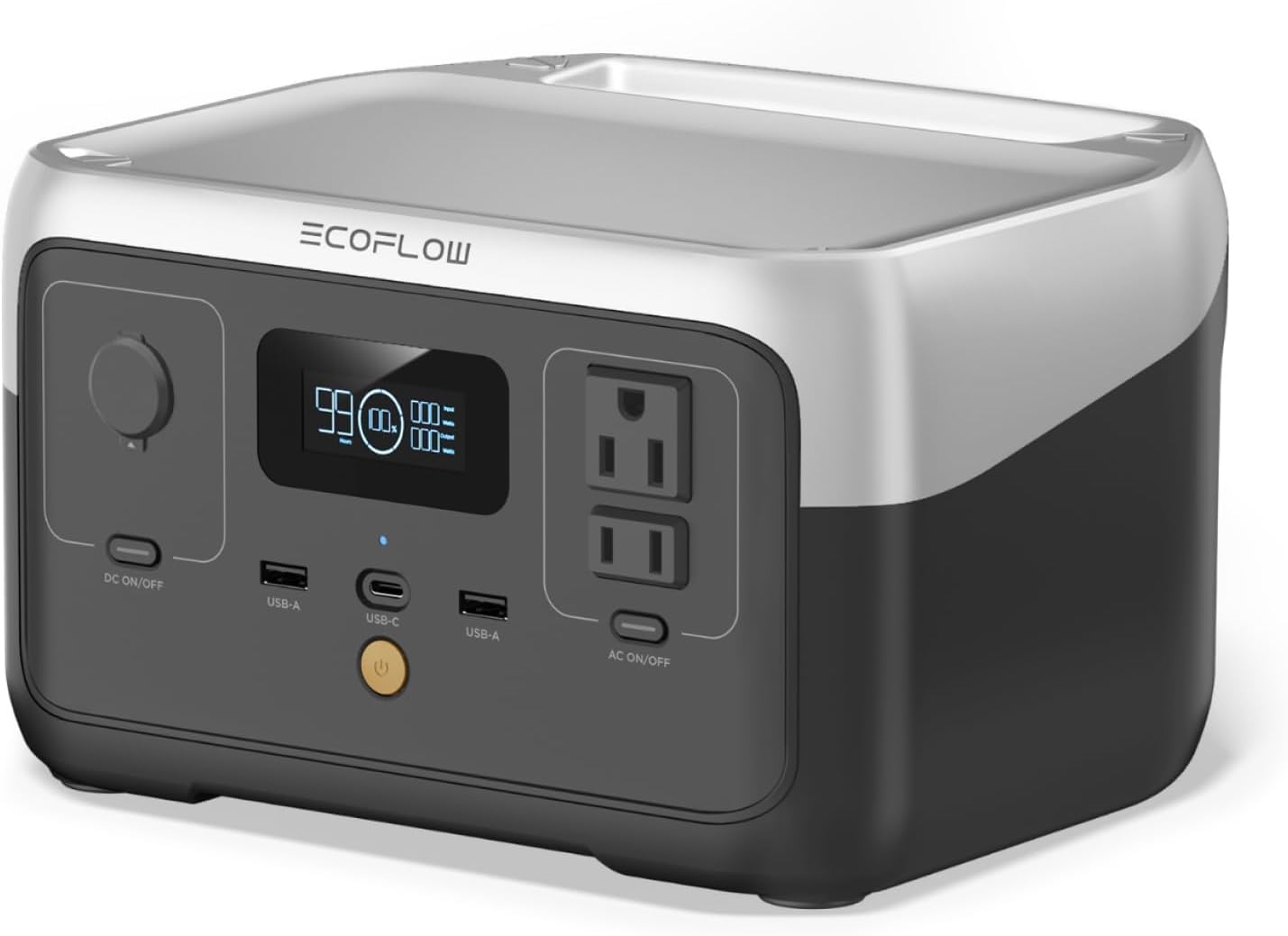
Portable power station specs range from 256Wh backpack units to 2000Wh+ home-backup systems, and the numbers that matter most aren’t always the ones brands lead with. Here’s what to actually check, based on comparing six current, real Amazon listings.


Capacity (Wh) vs. Output (W) — They Measure Different Things
Watt-hours (Wh) determine how long you can run something; watts (W) determine what you can plug in at all. A power station can have plenty of capacity but still fail to start a device with a high startup surge if its output rating is too low. Always check both numbers against what you actually plan to run, not just the headline capacity figure.
LiFePO4 vs. Older Lithium-Ion
Every unit in our comparison uses LiFePO4 (lithium iron phosphate) battery chemistry, which is now the standard for portable power stations because it holds far more charge cycles than older lithium-ion batteries before capacity degrades — typically 3,000+ cycles vs. 500–800 for older chemistry.
UPS Switchover Time Matters for Home-Office Backup
If you want a power station to keep a computer or router running through a power blip, check for a specifically stated UPS switchover time (some units, like the BLUETTI Elite 30 V2, market a 10ms switchover). Not every “backup power” unit switches over fast enough to prevent a computer from rebooting.
Charge Speed Varies Widely
Full recharge times in our comparison ranged from about 45 minutes to over an hour for similarly sized units — a meaningful difference if you’re relying on grid power between outages or trying to top up between uses on a trip.
Solar Compatibility
Most current units, including every one in this guide, support solar charging, but solar panels are almost always sold separately and add significant cost. Check panel wattage compatibility before assuming any solar panel will work at full speed.
Review Volume vs. Rating
A 4.7-star rating built on 3,600+ reviews (Jackery Explorer 1000 v2) is a far more reliable signal than the same or even higher rating built on a few hundred reviews from a newer model. Flagship units are sometimes newer releases with less review history than their smaller, longer-selling siblings.
Bottom Line
Match capacity and output to your actual use case — small electronics need far less of both than home backup — and don’t assume a bigger, more expensive unit is automatically the better-reviewed one.
Related Guides
Ugo Daniel researches, compares, and writes the buying guides on Wallstores, cross-checking manufacturer specs, verified pricing, and real customer feedback across tech, home, fitness, and pet categories. He’s personally bought and used many of the kitchen appliances featured on the site, and draws on that firsthand experience in those reviews.