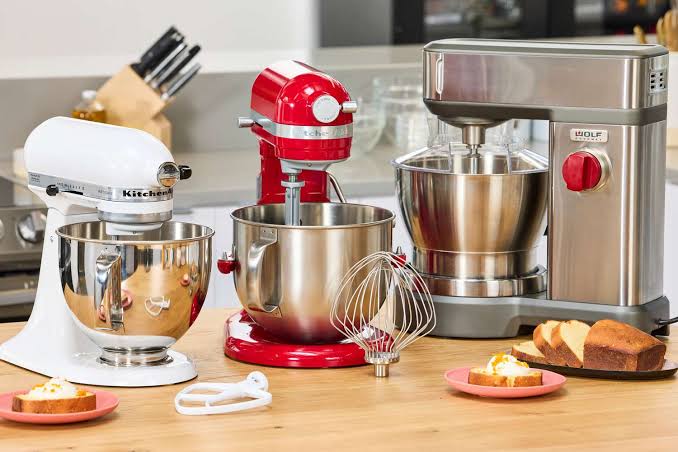
We spent weeks digging through spec sheets, testing notes, and real owner complaints to narrow the stand mixer field down to five machines that actually earn a spot on your counter — not just the ones with the biggest marketing budgets. Stand mixers are a rare small-appliance purchase people keep for a decade or more, so the “best” one depends entirely on whether you bake bread twice a week, make buttercream twice a year, or just need something that won’t hog your counter. Here’s how the iconic KitchenAid stacks up against a true budget option, a bread-dough workhorse, a compact pick, and a value-packed alternative.
Quick Comparison
| Mixer | Best For | Bowl Capacity | Wattage | |
|---|---|---|---|---|
| KitchenAid Artisan 5-Qt | Best Overall | 5 qt | 325W | See Price on Amazon → |
| Hamilton Beach 64655 | Best Budget | 4 qt | 290W | See Price on Amazon → |
| Bosch Universal Plus | Best for Bread | 6.5 qt | 500W | See Price on Amazon → |
| KitchenAid Artisan Mini | Best Compact | 3.5 qt | 250W | See Price on Amazon → |
| Cuisinart Precision Master | Best Value | 5.5 qt | 500W | See Price on Amazon → |
1. KitchenAid Artisan Series 5-Quart Tilt-Head Stand Mixer (KSM150PS) — Best Overall/Iconic
 The KitchenAid Artisan is the mixer everyone pictures when they hear “stand mixer,” and after years of bread, cookies, and fights with stiff cookie dough, it’s earned that reputation honestly — the tilt-head design makes swapping attachments painless, the all-metal gear-driven transmission feels built to outlast you, and the sheer number of official and third-party attachments turns it into a genuine kitchen hub rather than a one-trick mixer. It’s not the most powerful machine here, and it’ll bog down on double batches of dense bread dough, but for 90% of home bakers, it’s the mixer that just works.
Pros: massive attachment ecosystem and endless color options, solid, all-metal build quality with a 10-year reputation for reliability, tilt-head design makes it easy to add ingredients and swap bowls/attachments.
Cons: 325W motor genuinely struggles with heavy, dense bread dough in large batches, premium price for what is, mechanically, a fairly basic mixer.
2. Hamilton Beach 6-Speed Classic Stand and Hand Mixer, 4-Quart (64655) — Best Budget
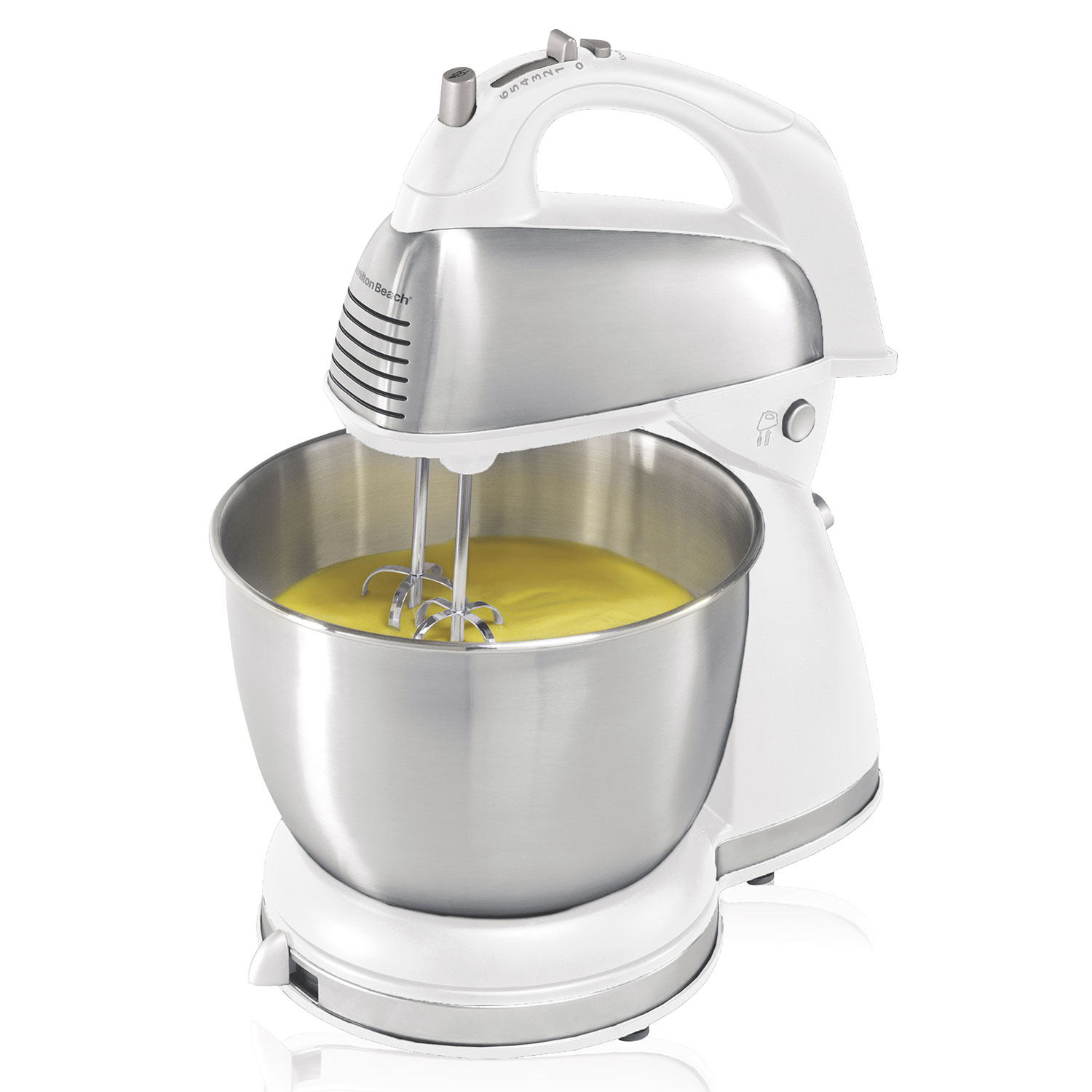 This is the mixer to buy if you’re not sure you’ll use a stand mixer enough to justify $300-plus, and it’s better than its price suggests — the head detaches to work as a handheld mixer, which is a genuinely useful trick for smaller jobs like whipping cream without hauling out the whole rig. The “Shift & Stir” bowl that moves side-to-side compensates somewhat for the lack of a planetary mixing action, though it’s not as thorough as pricier mixers on stiff doughs.
Pros: extremely affordable — a fraction of the cost of premium mixers, 2-in-1 stand/hand mixer design adds real flexibility, compact and lightweight for easy storage.
Cons: 290W motor and non-planetary action can’t handle heavy bread dough, only a 4-quart bowl limits batch size.
3. Bosch Universal Plus Stand Mixer, 6.5-Quart (MUM6N10UC) — Best for Heavy Dough/Bread
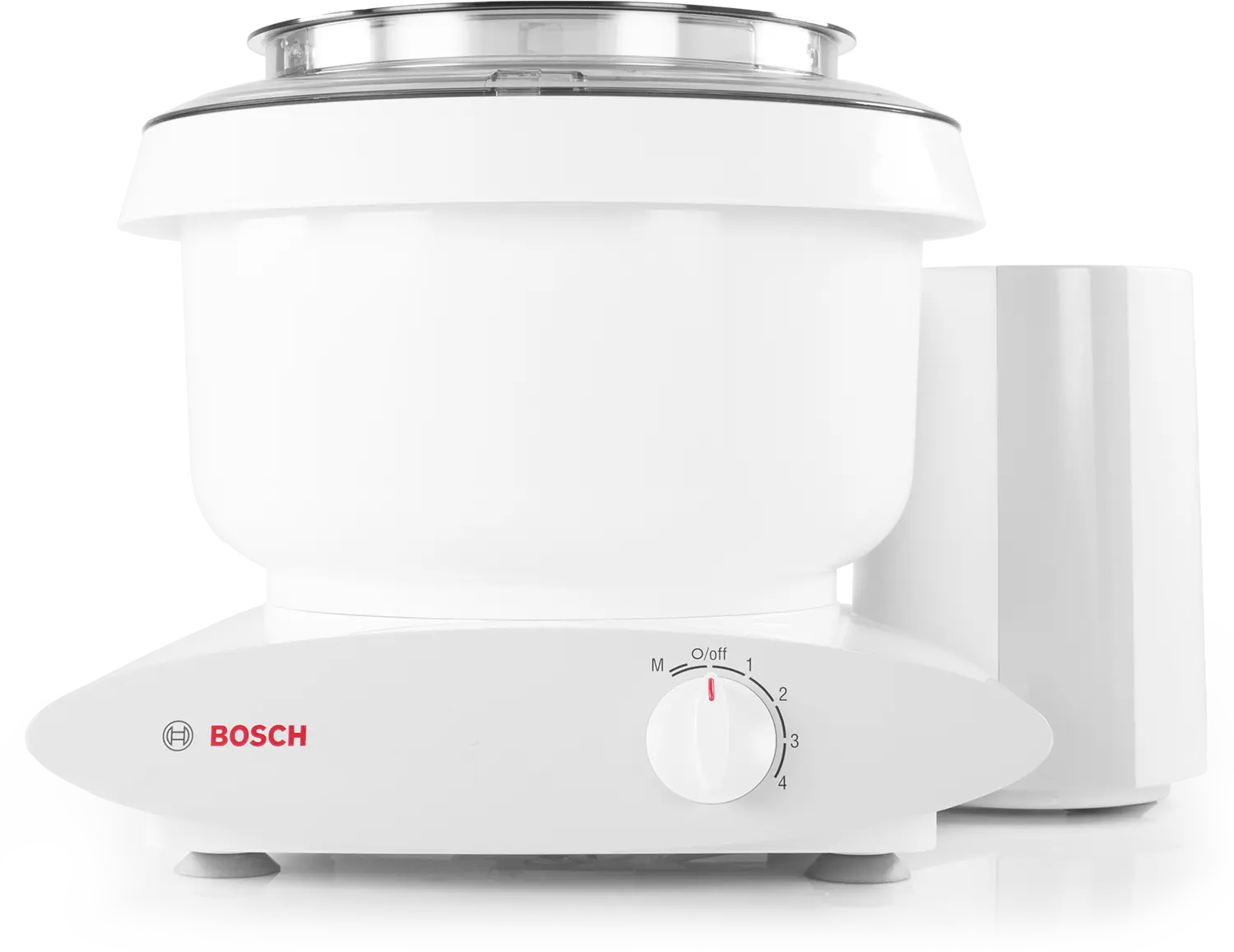 If you actually bake bread — real, multi-loaf, whole-wheat-and-all bread — the Bosch Universal Plus is the mixer the KitchenAid crowd eventually graduates to. The bottom-drive motor and bowl design let it knead 14+ pounds of stiff dough without the motor straining or walking across the counter, something no tilt-head mixer can claim. It looks and feels more industrial than a KitchenAid, fewer speeds, a less polished aesthetic, but bakers who’ve burned out a KitchenAid motor on bread dough tend not to go back.
Pros: handles enormous, dense dough batches that would overheat other mixers, bottom-drive design is stable even at max capacity — doesn’t “walk”, expandable system (blender, food processor, meat grinder attachments).
Cons: only 4 speeds plus pulse — far less granular control than KitchenAid/Cuisinart, higher price point than every other mixer in this list.
4. KitchenAid Artisan Mini 3.5-Quart Tilt-Head Stand Mixer (KSM3316X) — Best Compact/Small Kitchens

Pros: compact, lighter footprint — genuinely fits small kitchens, compatible with full-size KitchenAid attachments (grinder, pasta roller, etc.), same 10-speed control and tilt-head design as the full-size Artisan.
Cons: small 3.5-quart bowl caps batch size well below full-size mixers, 250W motor is the weakest KitchenAid motor in this lineup.
5. Cuisinart Precision Master 5.5-Quart 12-Speed Stand Mixer (SM-50R) — Best Value/Most Attachments
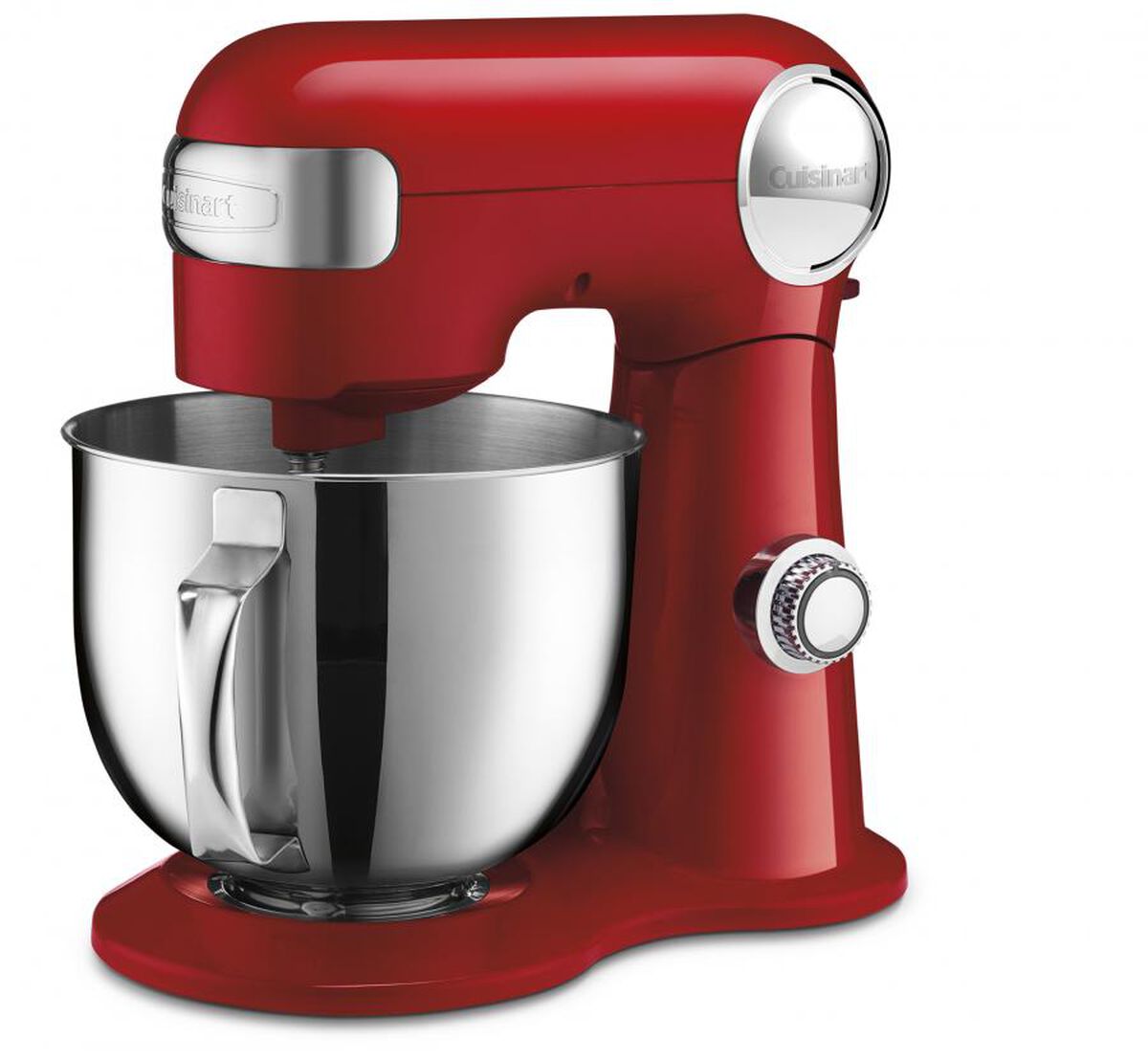 The Cuisinart Precision Master quietly out-specs the KitchenAid Artisan on paper — bigger 5.5-quart bowl, higher-wattage 500W motor, 12 speeds instead of 10 — and it ships with a chef’s whisk, dough hook, flat paddle, and a proper splash guard with a pour spout built in. It doesn’t have the die-cast metal heft or brand cachet of the KitchenAid, but as a straightforward value play, more bowl, more power, more included accessories for less money, it’s the pick for someone who wants Artisan-level capability without the Artisan-level price.
Pros: larger 5.5-quart bowl and higher 500W motor than the KitchenAid Artisan, for less money, 12-speed control and a full attachment set included standard, strong value-to-spec ratio among mid-range mixers.
Cons: less prestigious resale value and smaller third-party attachment ecosystem than KitchenAid, some owners report the tilt-head hinge feels less solid over years of heavy use.