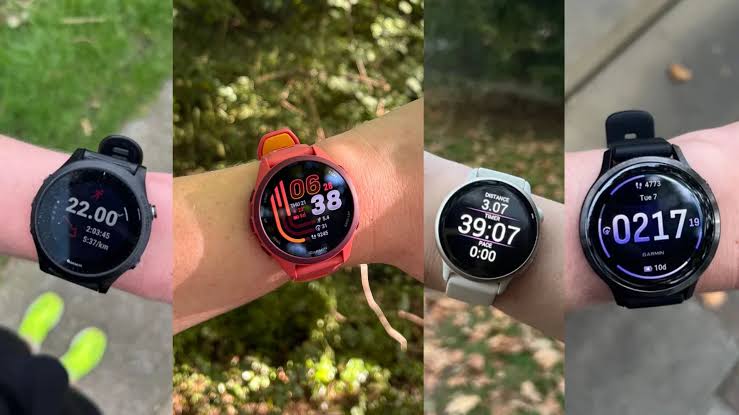
Fitness tracking lives or dies on three things: sensor accuracy, battery life, and whether you’ll actually keep wearing the thing after week two. So instead of ranking by spec-sheet bragging rights, we picked five watches that solve different training problems — a running specialist, a lifestyle all-rounder, a wallet-friendly tracker, and the current flagships from both major phone ecosystems. Whatever you’re training for, one of these five is built for it.
Quick Comparison
| Watch | Best For | Battery Life | Standout Feature | |
|---|---|---|---|---|
| Garmin Forerunner 570 | Best for Runners | ~11 days (smartwatch mode) | Multi-band GPS + speaker/mic | See Price on Amazon → |
| Apple Watch Series 11 | Best for iPhone Users | Up to 24 hrs | Sleep Score + 24-hr battery | See Price on Amazon → |
| Fitbit Charge 6 | Best Budget Pick | 7 days | Built-in GPS | See Price on Amazon → |
| Samsung Galaxy Watch9 | Best for Android Users | Larger battery than Watch8 | FDA-cleared sleep apnea detection | See Price on Amazon → |
| Garmin Venu 4 | Best for Everyday Wear | Up to 12 days | Built-in flashlight + sleep coaching | See Price on Amazon → |
1. Garmin Forerunner 570 — Best for Runners
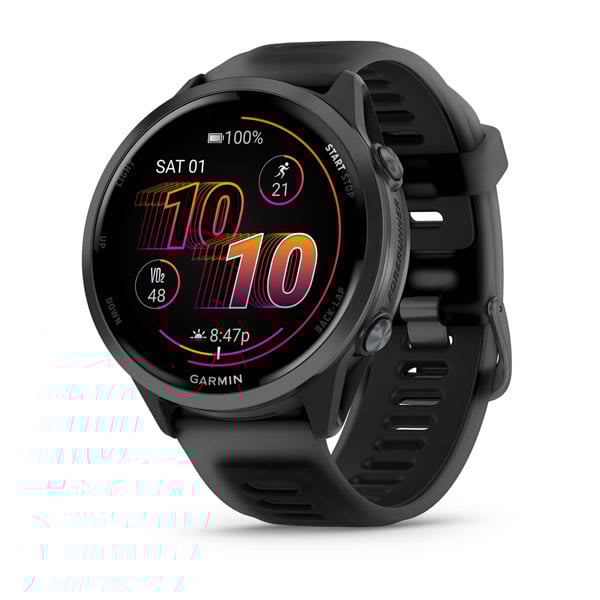 The Forerunner 570 is Garmin’s mid-range running watch, and it’s the one we’d actually recommend over the pricier flagships for most people chasing real training data. The AMOLED display is bright enough for outdoor runs, multi-band GPS locks on fast under tree cover, and Garmin’s training readiness and recovery scores are genuinely useful rather than gimmicky. It even added a speaker and mic for calls. The tradeoff: battery life takes a real hit once you’re running GPS with music streaming, and the interface still has Garmin’s usual learning curve.
Pros: bright AMOLED display, fast multi-band GPS lock, useful training/recovery metrics.
Cons: battery drains fast with GPS+music, steep learning curve for new users.
2. Apple Watch Series 11 — Best Overall for iPhone Users
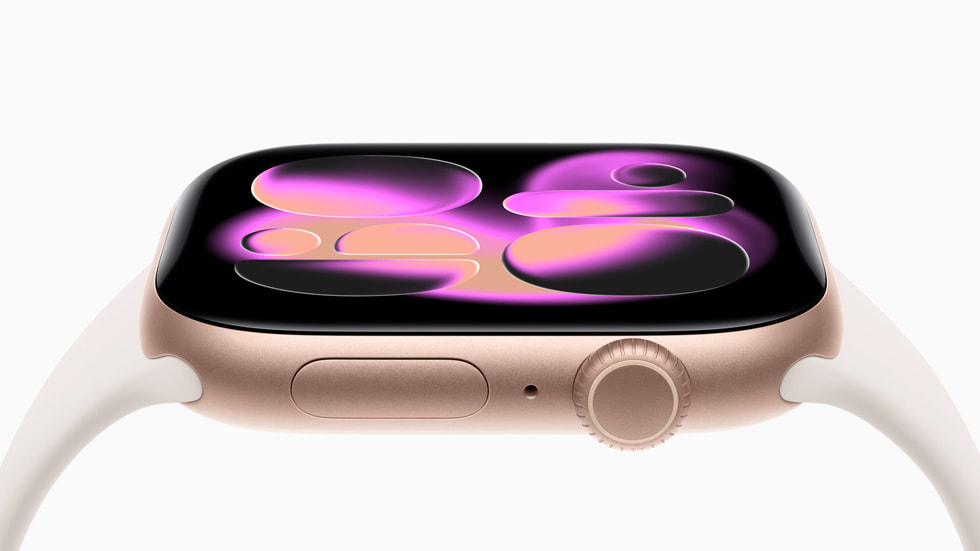 Series 11 is the Apple Watch to buy right now if you’re an iPhone owner who wants fitness tracking that doesn’t feel like a compromise — 24-hour battery life, a proper sleep score instead of a vague “restful” label, and workout tracking that syncs instantly with everything in Apple Health. The always-on display, haptics, and overall app ecosystem beat anything Garmin or Samsung offers for daily usability. The tradeoff is the one that never changes: it’s tied to iPhone only, and even with the battery bump you’re charging nightly.
Pros: finally hits 24-hour battery, accurate Sleep Score tracking, seamless Apple Health/app integration.
Cons: iPhone-only, nightly charging still required.
3. Fitbit Charge 6 — Best Budget Pick
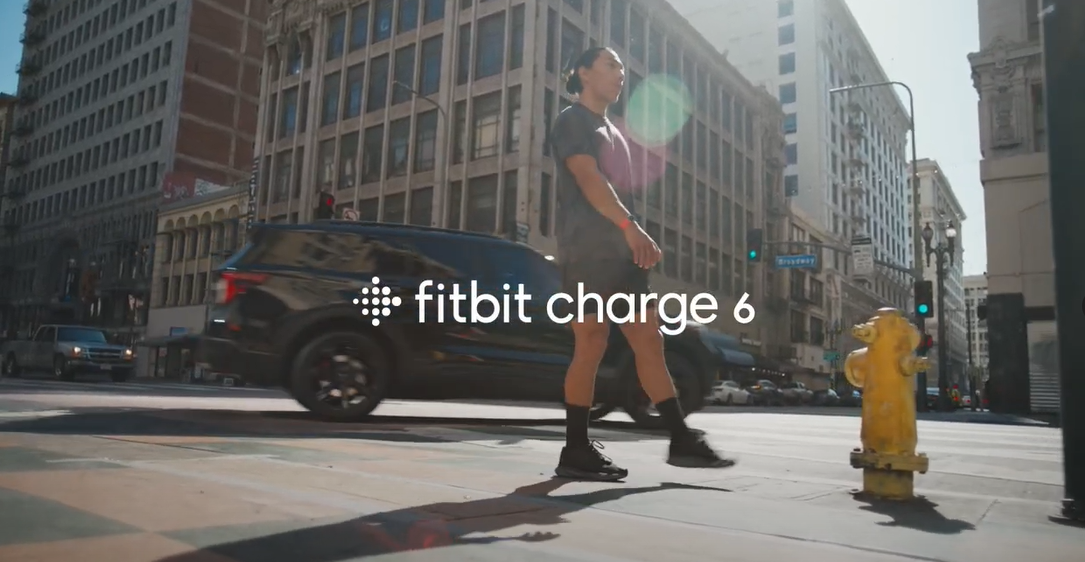 The Charge 6 remains the smartest budget buy in this list, and at well under $200 it undercuts everything else here by a wide margin while still nailing the fitness-tracker basics. Built-in GPS means you can leave your phone at home on a run, heart-rate tracking is genuinely accurate for the price tier, and the detailed sleep-stage breakdowns punch well above what a tracker this size normally delivers. It works equally well with iOS or Android. The catch is that several useful features now sit behind a Premium subscription.
Pros: budget-friendly price, built-in GPS, accurate sleep-stage tracking.
Cons: key features gated behind Premium subscription, aging design vs. newer trackers.
4. Samsung Galaxy Watch9 — Best for Android Users
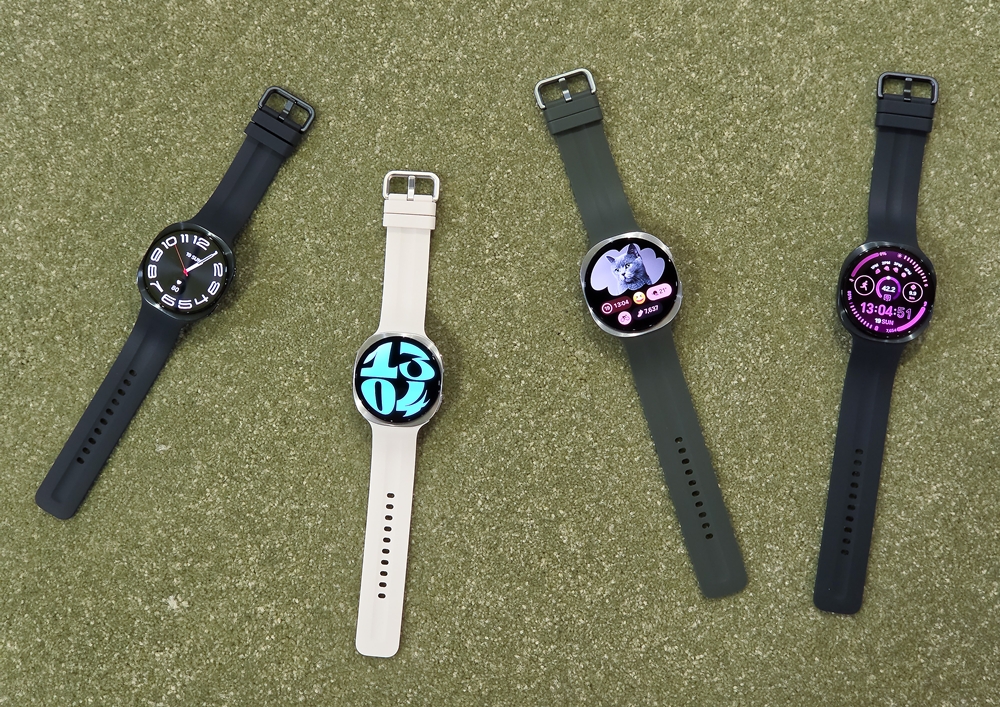 Galaxy Watch9 is the clear pick for Android users, especially Galaxy phone owners, thanks to a noticeably bigger battery than last year’s Watch8 and genuinely useful additions like FDA-cleared sleep apnea detection and an Energy Score that actually changes how you plan your training day. The AMOLED display and build quality feel premium next to the plastic-heavy competition. The tradeoff is price and ecosystem lock-in — full functionality wants a Samsung phone nearby, and it’s priced closer to Apple than to a dedicated fitness tracker.
Pros: bigger battery than Watch8, FDA-cleared sleep apnea detection, premium AMOLED build.
Cons: best features require a Samsung phone, priced near flagship territory.
5. Garmin Venu 4 — Best for All-Day / Everyday Wear
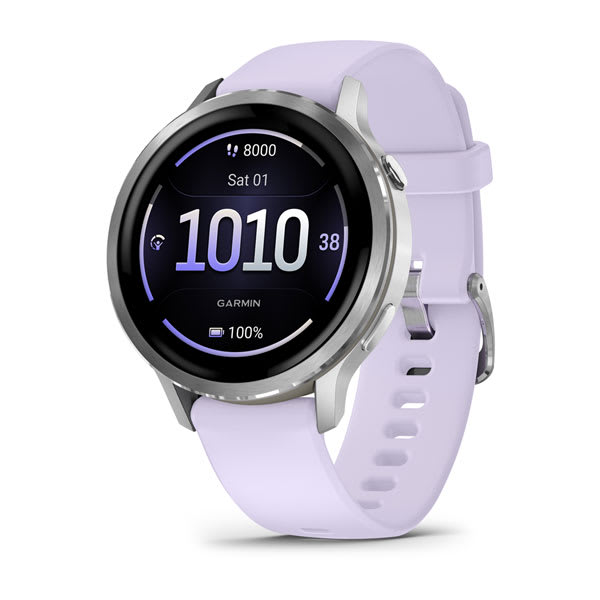 The Venu 4 is Garmin’s answer to “I want Garmin’s fitness smarts without looking like I’m training for an Ironman,” and it’s the most well-rounded watch on this list for someone who wants one watch for the gym, the office, and everything between. Up to 12 days of battery, a built-in flashlight that’s more genuinely useful than it sounds, and the same sleep coaching, HRV status, and Body Battery tracking Garmin puts into its dedicated running watches. The tradeoff: it costs about the same as the more running-focused Forerunner 570.
Pros: up to 12 days battery, useful built-in flashlight, Garmin-grade sleep/HRV tracking in a lifestyle design.
Cons: priced similarly to the more running-focused Forerunner 570, less race-specific data than a dedicated running watch.