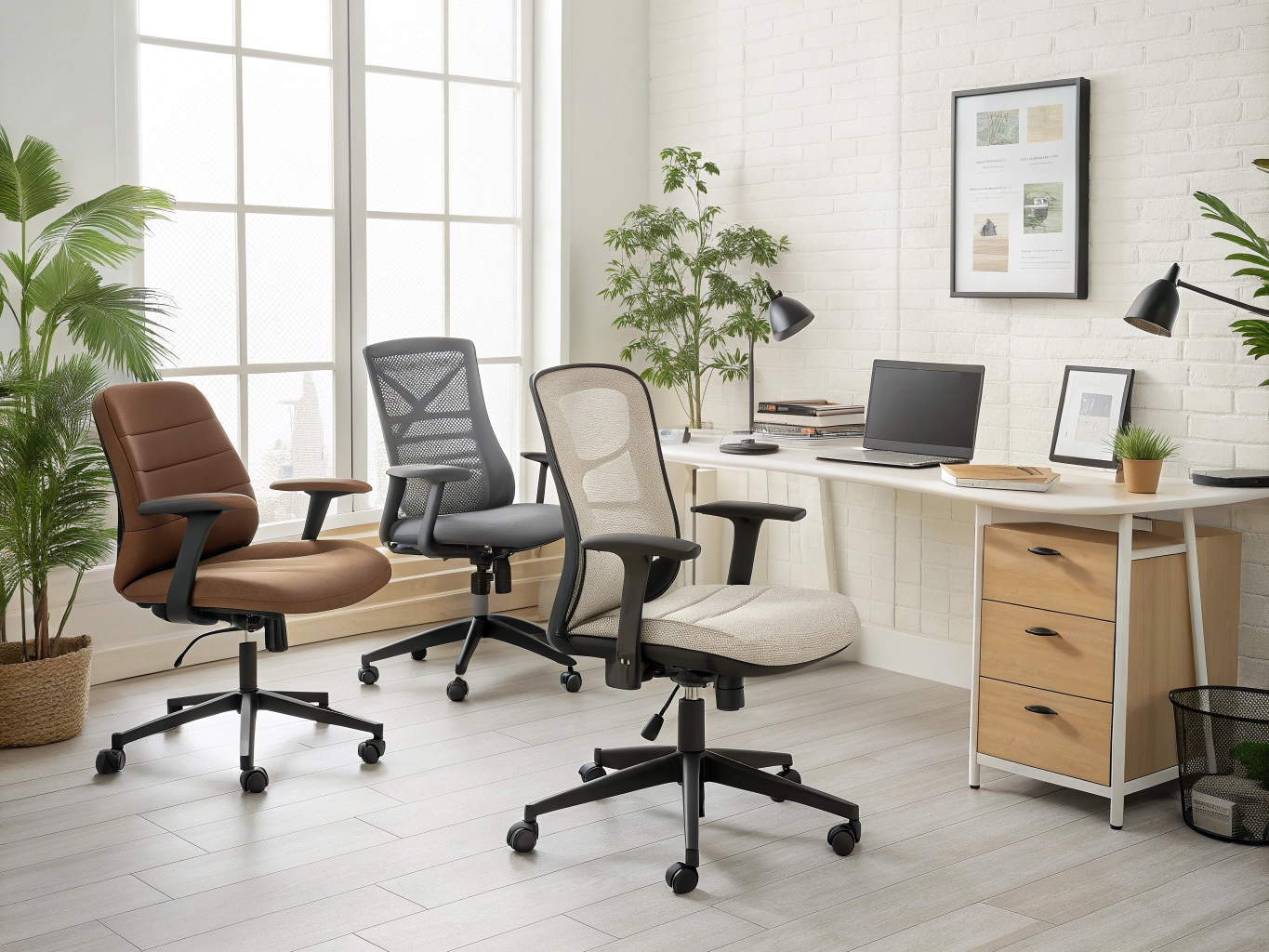
If you spend most of the day at a desk, the chair underneath you matters as much as any stretch routine. We compared five current ergonomic chairs with genuine adjustable or dynamic lumbar support, spanning an affordable starter option up to industry-leading premium builds, so you can find real back support at your price point.
Quick Comparison
| Chair | Best For | Lumbar Support | Recline Range | |
|---|---|---|---|---|
| Hbada P3 Ergonomic Office Chair | Best Budget Pick | 2D adjustable | 145° stepless tilt | See Price on Amazon → |
| SIHOO Doro C300 | Best Value / Dynamic Lumbar | Dynamic, self-adapting | 3-position recline | See Price on Amazon → |
| FLEXISPOT C7 Premium | Best for Tall or Short Users | Dynamic, moves with recline | 93°–128° | See Price on Amazon → |
| Steelcase Series 1 | Best Mid-Premium / Durability | Height-adjustable | Weight-activated recline | See Price on Amazon → |
| Herman Miller Aeron (Size B) | Best Premium / Best-in-Class | PostureFit SL, adjustable | 3 lockable positions | See Price on Amazon → |
1. Hbada P3 Ergonomic Office Chair — Best Budget Pick
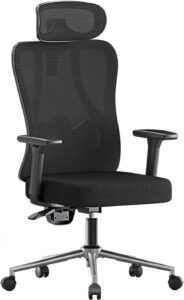 The P3 gets real adjustable lumbar support and a generous 145° recline into one of the most affordable chairs on this list, with a breathable mesh back that holds up well over long sitting sessions. It’s a sensible starting point if you want genuine ergonomic features without a big budget.
Pros: very low entry price for adjustable lumbar and recline, lightweight and easy to assemble, breathable high-density mesh back.
Cons: no seat-depth adjustment, and the lumbar support adjusts for height only, not tension.
2. SIHOO Doro C300 — Best Value / Dynamic Lumbar
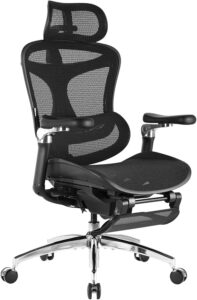 The Doro C300’s lumbar support automatically adapts as you shift position, rather than staying fixed at one setting — a genuine step up from static lumbar pads at a mid-range price. Breathable mesh and 3D armrests round out a chair that’s earned a strong reputation for the money.
Pros: dynamic lumbar support moves with your posture rather than staying static, 3D armrests, breathable mesh keeps your back cool over long sits.
Cons: the headrest sits low for users over about 5’11”, and the base C300 doesn’t include seat-depth adjustment.
3. FLEXISPOT C7 Premium Ergonomic Office Chair — Best for Tall or Short Users
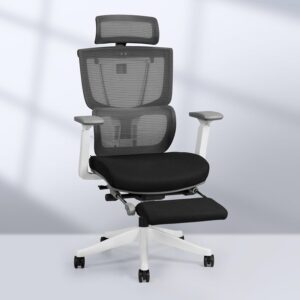 The C7’s seat depth adjusts across an unusually wide 17–20 inch range, which means it can genuinely fit users from around 5’4″ to 6’5″ rather than being a one-size-fits-most compromise. Its dynamic lumbar tracks your recline angle instead of staying fixed in one position.
Pros: unusually wide seat-depth adjustment fits a broad range of heights, dynamic lumbar tracks recline angle, long 10-year warranty.
Cons: some visible plastic componentry compared to premium brands, and assembly instructions have been criticized as unclear.
4. Steelcase Series 1 — Best Mid-Premium / Durability
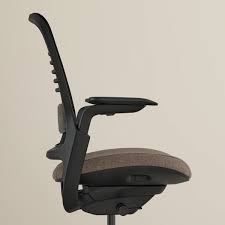 Steelcase brings genuine commercial-grade build quality to a mid-premium price point, backed by a 12-year warranty that reflects real confidence in longevity. The seat-depth slider helps with thigh support, though the lumbar itself adjusts for position only, not firmness.
Pros: genuine commercial/contract-grade build quality, seat-depth slider for better thigh support, exceptional 12-year warranty.
Cons: lumbar support is positional only with no separate firmness or tension dial, and the recline mechanism is fairly basic for the price.
5. Herman Miller Aeron Size B Graphite — Best Premium / Best-in-Class
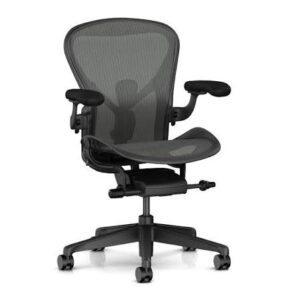 The Aeron remains the benchmark ergonomic chair for a reason: PostureFit SL support that adjusts for both height and tension, breathable 8Z Pellicle mesh that never bottoms out the way foam eventually does, and sizing (A/B/C) built to fit a genuinely wide range of body types. It’s a serious investment, but it’s the chair most ergonomics-focused reviewers point to first.
Pros: industry-leading PostureFit SL lumbar and sacral support, breathable mesh that holds up for years without degrading, sized to fit a very wide range of body types.
Cons: no seat-depth slider (sizing is handled via the fixed A/B/C system instead), and the firm mesh seat is polarizing for some users.
How to Choose an Office Chair for Back Pain
Dynamic beats static lumbar support: a lumbar pad that moves with your posture as you shift and recline generally supports your back better through the day than one fixed in a single position. Seat depth matters more than people expect: if the seat is too deep or too shallow for your leg length, no amount of lumbar support fully compensates — look for adjustable seat depth if you’re notably taller or shorter than average. Recline range and tension: the ability to lock into multiple recline positions, or adjust recline tension, helps you shift position through the day rather than sitting rigidly. Materials: breathable mesh tends to hold its shape longer than foam, which sags and loses support over years of use. Warranty length is a real signal: longer warranties (Steelcase and Herman Miller both offer around 12 years) generally reflect genuine confidence in long-term durability, not just marketing.
FAQ
Can an office chair actually fix back pain? A well-fitted ergonomic chair can meaningfully reduce strain from long sitting and support better posture, but it isn’t a substitute for medical advice if you have an ongoing or serious back condition — check with a doctor or physical therapist for persistent pain.
Is it worth paying for a premium chair like the Aeron, or is a budget chair good enough? It depends on how many hours a day you sit. If you’re at a desk 6+ hours daily, the adjustability and long-term durability of a premium chair tends to pay for itself; for lighter or occasional use, a well-reviewed budget chair like the Hbada P3 covers the basics well.
What’s the difference between static and dynamic lumbar support? Static lumbar support is a pad you set once at a fixed height or firmness. Dynamic lumbar support automatically adjusts or moves as you shift position or recline, generally providing more consistent support through the day.
Does seat depth adjustment really matter for back support? Yes — if the seat is too deep, it can push you to slouch to reach the backrest; if too shallow, it fails to support your thighs. Getting seat depth right is one of the most overlooked parts of ergonomic chair fit.
Affiliate disclosure: As an Amazon Associate, WallStores earns from qualifying purchases. Prices and availability shown on Amazon at the time of your visit — click through for current pricing.